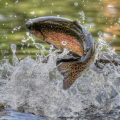
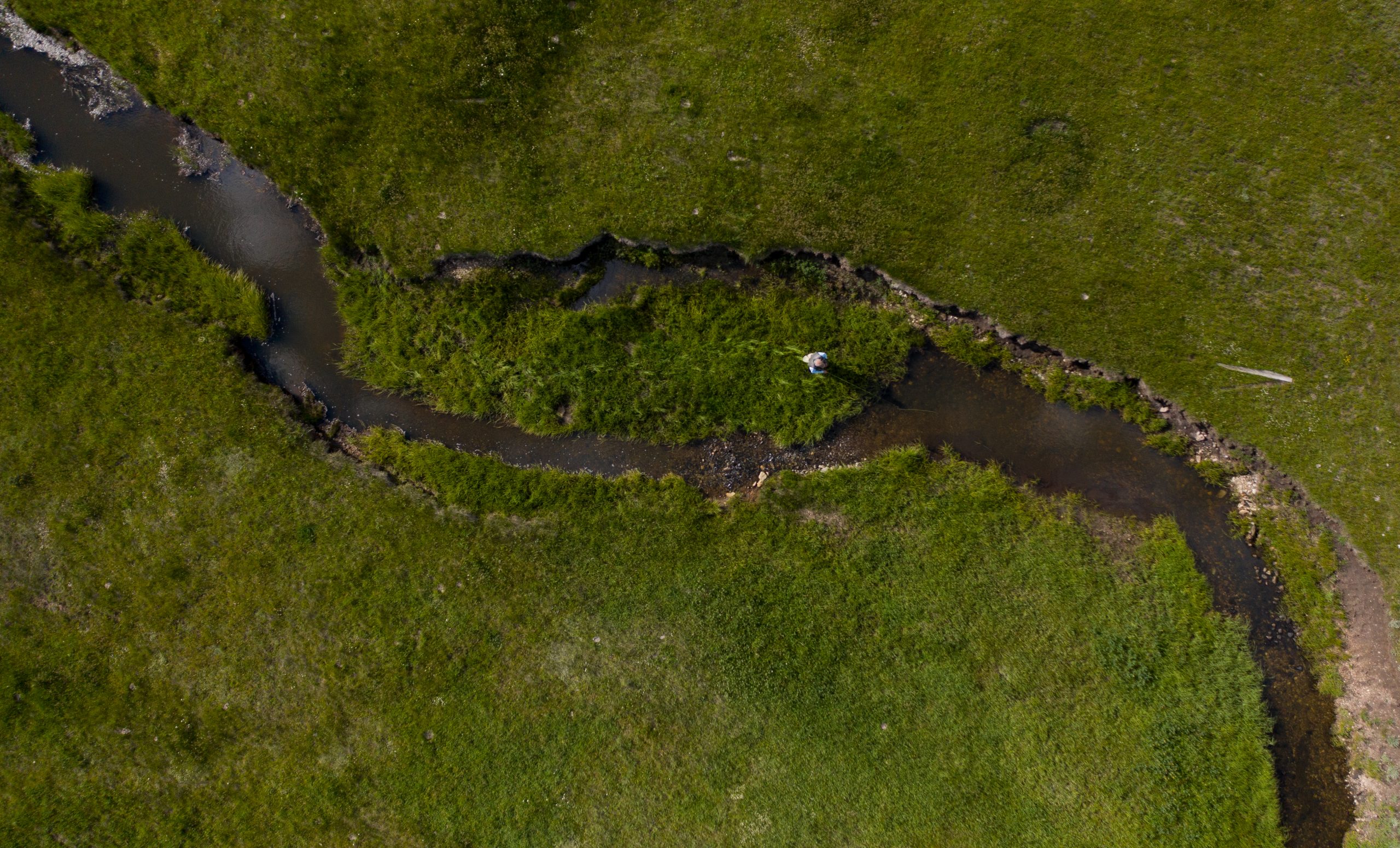
New Mexico’s cold-water fisheries support both native trout species and introduced (non-native) trout. While all trout depend on clean, cold water, native species are uniquely adapted to New Mexico’s watersheds and play a critical role in maintaining healthy aquatic ecosystems.
Understanding the difference between native and invasive trout helps anglers, students, and conservationists make informed decisions that support long-term fisheries health.
Native Trout Species in New Mexico
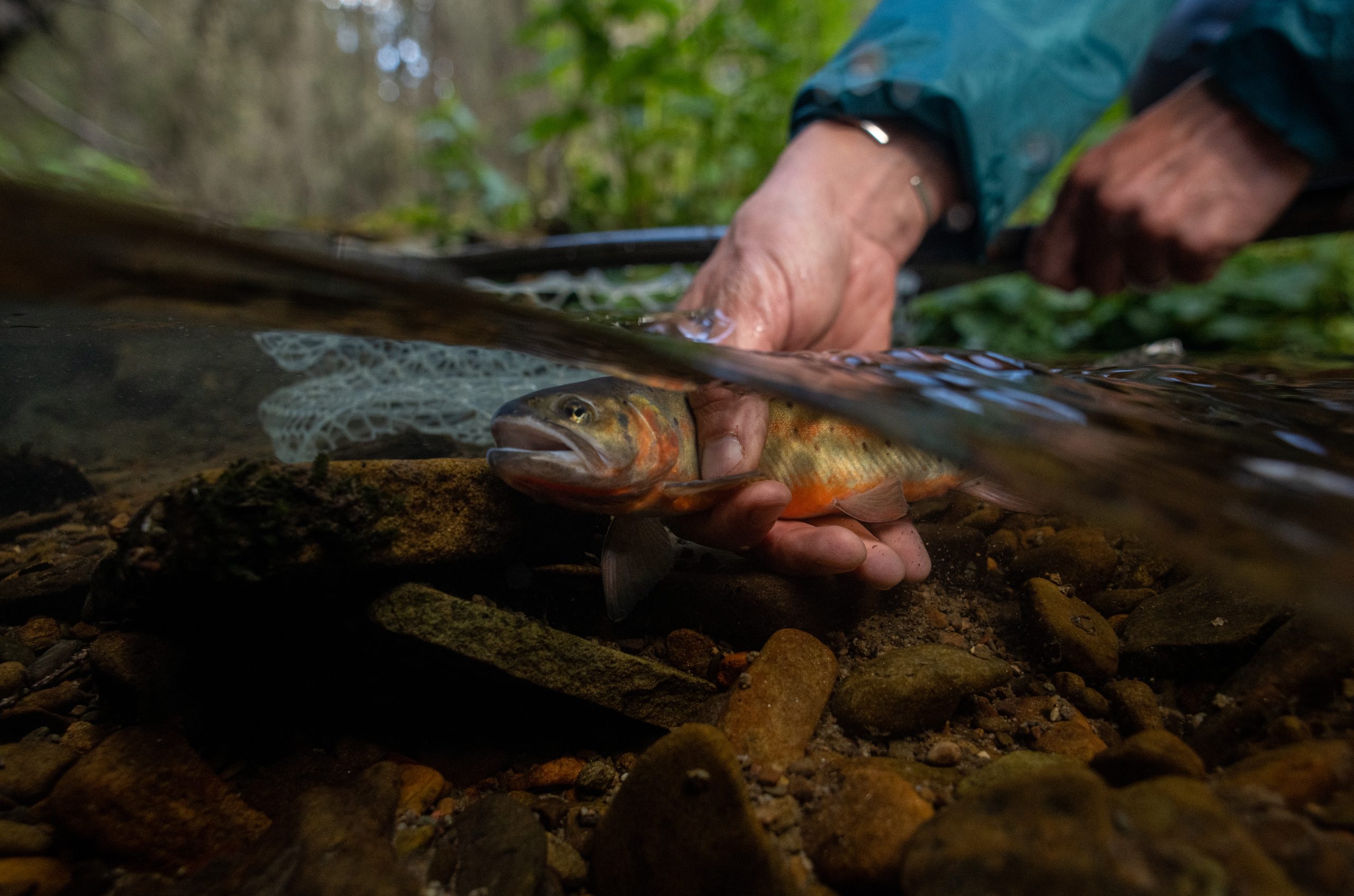
Native trout evolved naturally in New Mexico’s river systems and are closely tied to specific watersheds.
Native trout species include:
These fish are highly sensitive to habitat degradation and water quality changes. Their presence is often a strong indicator of a healthy watershed.
Introduced (Non-Native) Trout Species
Non-native trout were introduced primarily for recreational fishing. While popular with anglers, these species can compete with native trout for food and habitat or interbreed with them.
Common non-native trout in New Mexico include:
Conservation and Management
Truchas Chapter of Trout Unlimited works to balance quality angling opportunities with the restoration of native fish populations. Habitat improvement projects, barrier removals, and invasive species management help protect native trout while supporting sustainable fishing.
Anglers play a key role by following New Mexico fishing regulations, respecting closures, and practicing catch-and-release where required.
Education and Trout in the Classroom
Through our Trout in the Classroom program, students learn firsthand how trout depend on clean water and healthy habitat—connecting science education with real-world conservation.