Editor’s note: In this guest essay, angler and outdoorsman Michael R. Altherr, Ph.D., reflects on the Western Native Trout Challenge and the deeper conservation story behind it—one that resonates strongly with Truchas Chapter’s commitment to native trout and healthy coldwater fisheries.
The Western Native Trout Challenge
Michael R. Altherr, Ph.D.
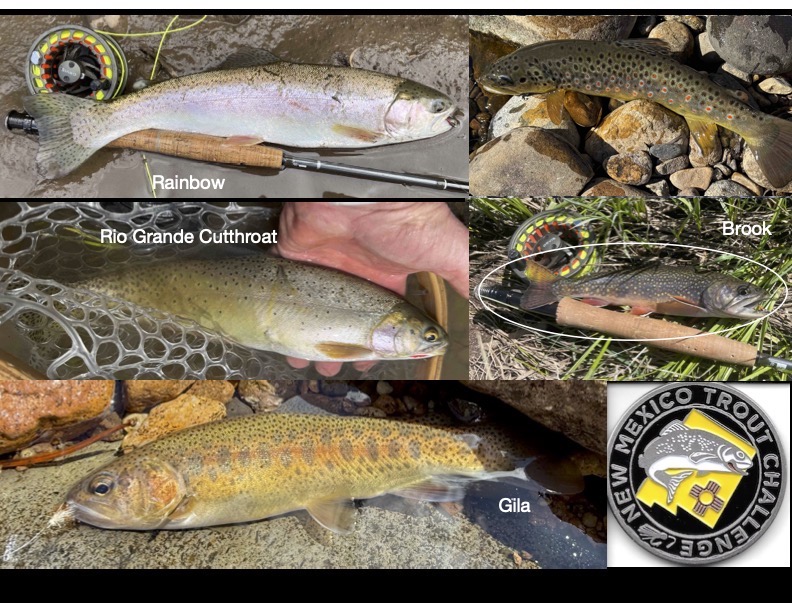
Humans are unique among the creatures on Earth in creating challenges for themselves. I presume that most of you are aware of the New Mexico Trout Challenge. Catching the five species of trout resident in the state—rainbow, brown, brook, Rio Grande cutthroat, and Gila—earns you a certificate and a challenge coin from the NMDGF. Four of these five fish can be caught within a two-hour drive of Santa Fe. Only the Gila trout requires an extended trip.
Many Western states have similar challenges. However, a lesser-known challenge is provided by the Western Native Trout Initiative (WNTI), a public-private conservation group focused on protecting, restoring, and enhancing populations of the 23 remaining native trout and char species in 12 Western states. While there are many wild breeding populations of brook, brown, and rainbow trout in New Mexico, only Rio Grande cutthroat and Gila trout are native to the state.
All Western native trout are members of the family Salmonidae. Four are char species in the genus Salvelinus. One is a member of the genus Thymallus, and over 75% are evolutionarily related to stocked rainbow trout in the genus Oncorhynchus. Threats to the continued existence of Western native trout include habitat degradation, climate change, and competition from non-native species. While the threats of habitat destruction and climate change are easily understandable, less obvious are the threats posed by competition and hybridization with non-natives.
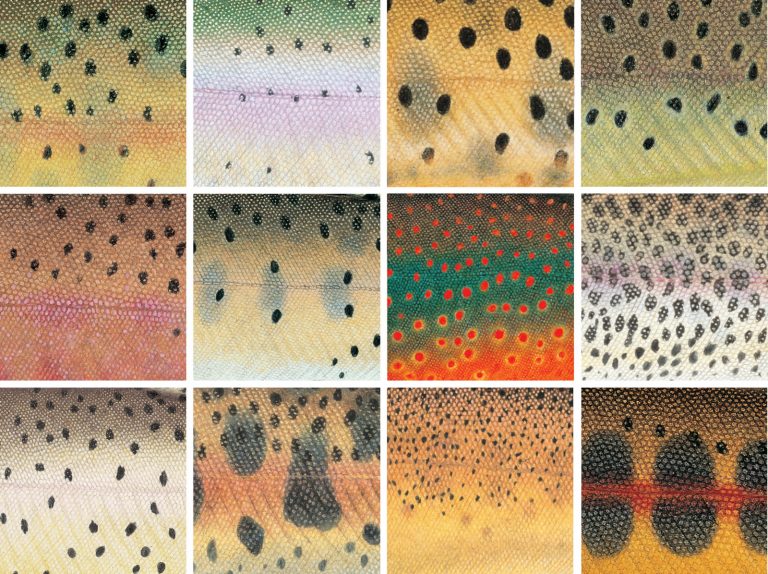
Rainbow trout, while indigenous to rivers in the Northern Hemisphere that run into the Pacific Ocean, provided the genetic architecture from which many Western natives—all cutthroats, Gila, and Apache trout—evolved. These fish became reproductively isolated and speciated due to a variety of geologic events. Once isolated, they evolved distinct characteristics that allowed them to adapt to the unique environments where they historically resided. Because of the rainbow trout’s robust nature, popularity with sportsmen, and ability to grow quickly in hatcheries, it has been introduced into many waters around the globe. Rainbow trout represent a financial boon to many states’ game and fish departments and local economies by providing a reliable resource for anglers. Unfortunately, the close genetic lineage of rainbows to other Western natives threatens, through interbreeding, the genetic uniqueness of these environmentally specific native lineages. Many state hatcheries now employ a technique to sterilize rainbows prior to releasing them into wild waters, preventing hybridization with natives. These sterile rainbows shift their metabolism away from reproduction and redirect their energy into growth and, consequently, can reach trophy size. They no longer represent a threat to hybridize with native trout. However, these rainbows develop a voracious appetite for native fry and compete for the same food resources as native fish.
The WNTI attempts to draw attention to the loss of genetic diversity that would occur if these natives were to disappear. Founded in 2006, WNTI created a three-level challenge of its own to focus attention on the situation facing Western native trout. Level 1, designated “Expert Caster,” requires catching and photographing six native species in four states. Completing this level earns you a certificate and a baseball cap. Level 2, designated “Advanced Caster,” requires catching and photographing 12 natives in eight states. Completing this level earns you a certificate and a challenge coin. Level 3, designated “Master Caster,” requires catching and photographing 18 natives in the 12 participating states. Completing this level earns you another certificate and another challenge coin. Two native species, Paiute cutthroat and Greenback cutthroat, are considered to be in such a compromised situation that they are not included in the challenge.
The challenge stipulates that each submission should be from a “genetically pure” population in a “qualified” stream within the fish’s historic range. WNTI coordinates with each participating state’s fish and game department to identify appropriate fishing waters that are part of the species’ historic range, where the target species is not likely to be hybridizing with introduced non-natives like rainbow trout, and where angling does not otherwise put the population at risk. Consequently, the WNTI Challenge provides participants with a collection of maps, coordinated with state conservation departments, showing where there is a reasonable expectation of catching the targeted species. These maps can be found here: https://storymaps.arcgis.com/stories/32869c5ae73845128efcd4859cbcd1b8.
Many of these locations are in challenging headwater streams that can require some effort to reach. At the time of this writing, only 293 individuals have completed Level 1, including seven New Mexicans, myself among them. Only 102 people have completed Level 2, and only 37 people have completed Level 3. Neither Level 2 nor Level 3 includes any identified New Mexicans. To put this challenge into perspective, the number of people who have summited Mount Everest is more than 13,000—roughly 50 times greater than the number of people who have completed the WNTI Level 1 Challenge.
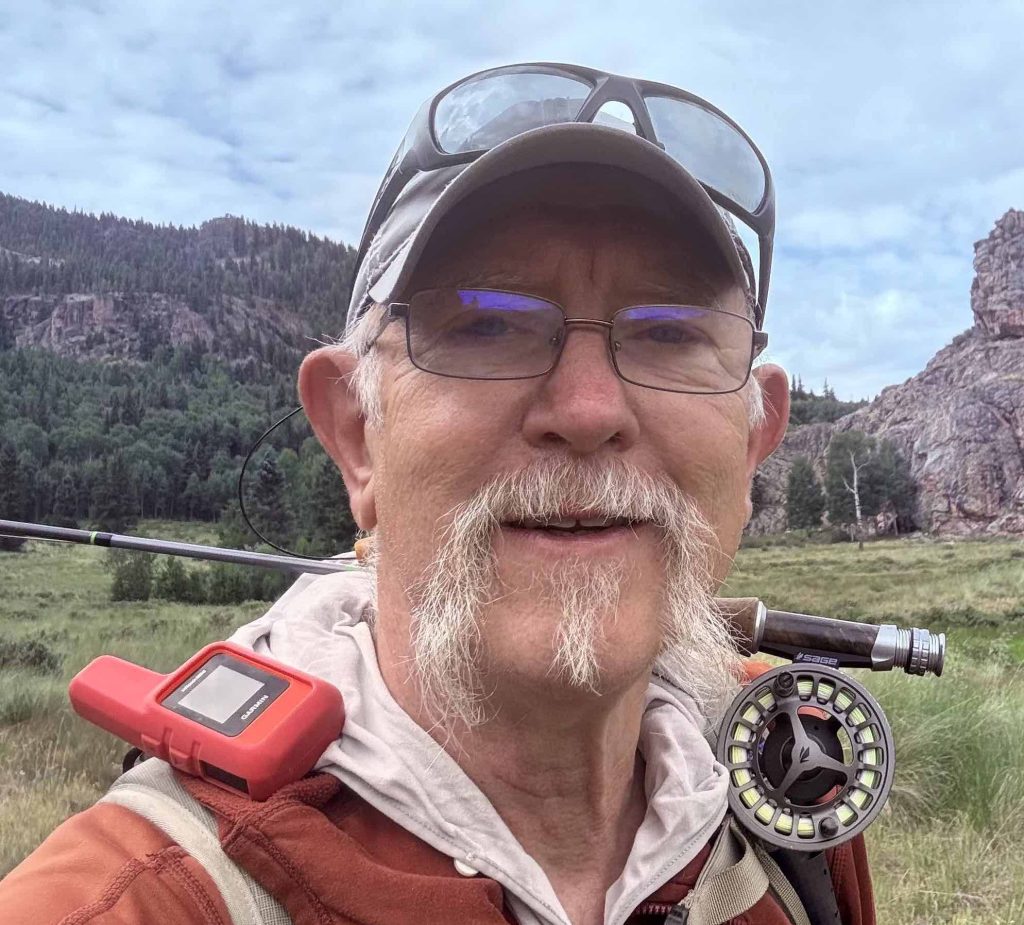
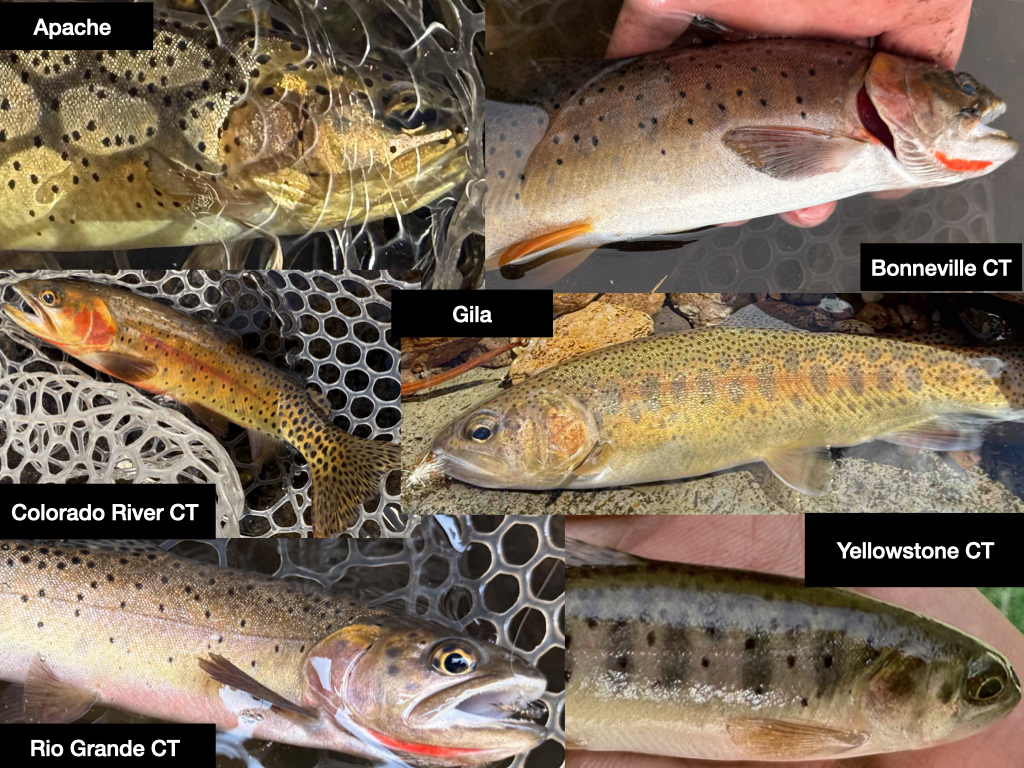
For myself, I increased the difficulty of the Level 1 challenge by completing it in the Four Corner states. I caught Rio Grande cutthroat and Gila trout—probably the prettiest fish in the group—in New Mexico. I caught Bonneville cutthroat and Yellowstone cutthroat in Utah. I caught a Colorado River cutthroat, a close second for prettiest fish, in Colorado. Finally, I caught an Apache trout in Arizona, and, like its namesake in Western lore, it was difficult to find, hard to catch, and a heroic fighter.
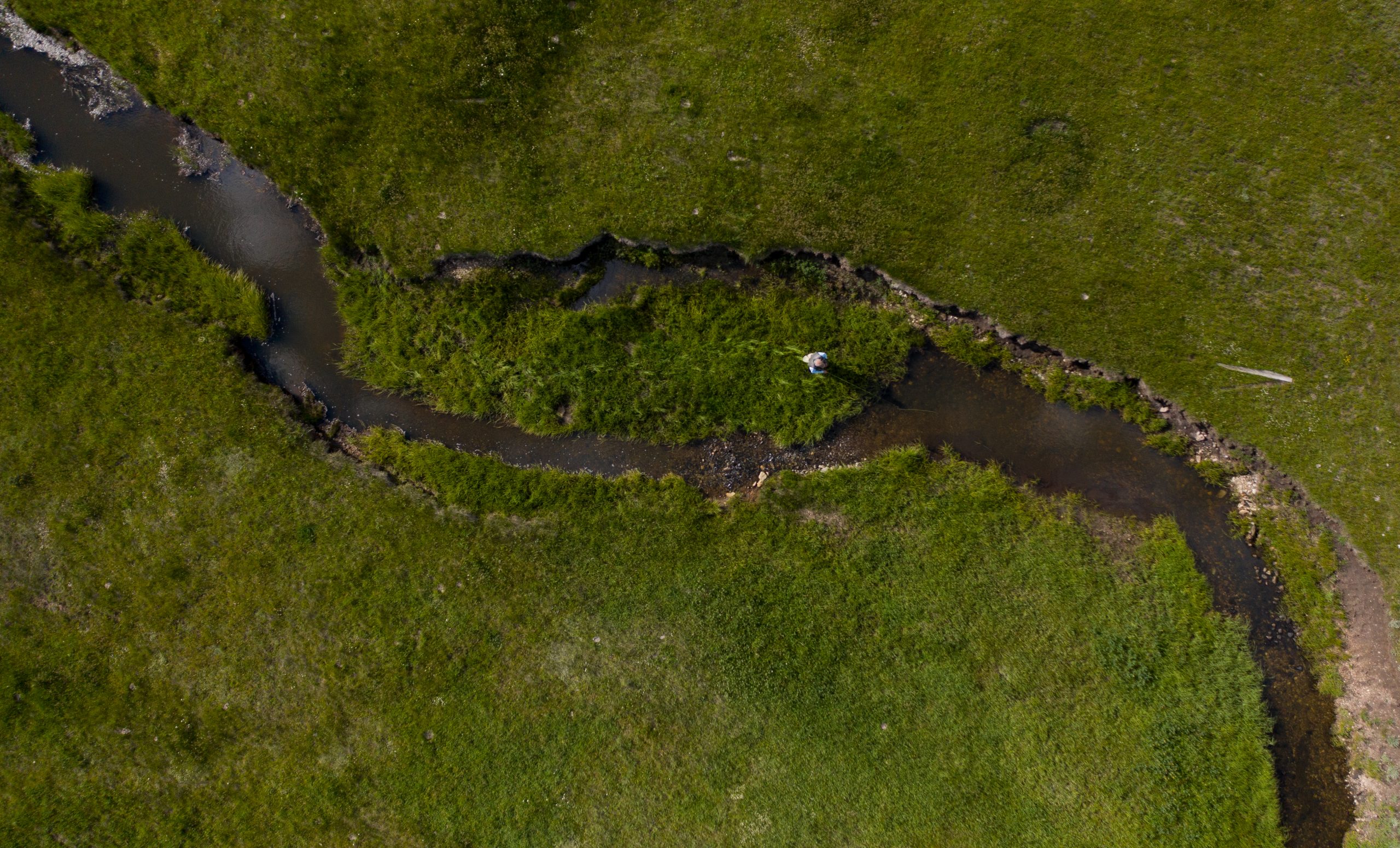
Fishing for native trout, in the Southwest at least, frequently involves long walks through spectacular landscapes to the headwaters of small streams and creeks in pursuit of relatively small fish. If catching big trout is your driver, this is probably not the game for you. However, if spending time in beautiful, isolated locations interests you, you may find this activity rewarding. It really is much less about the objective than it is about the journey.