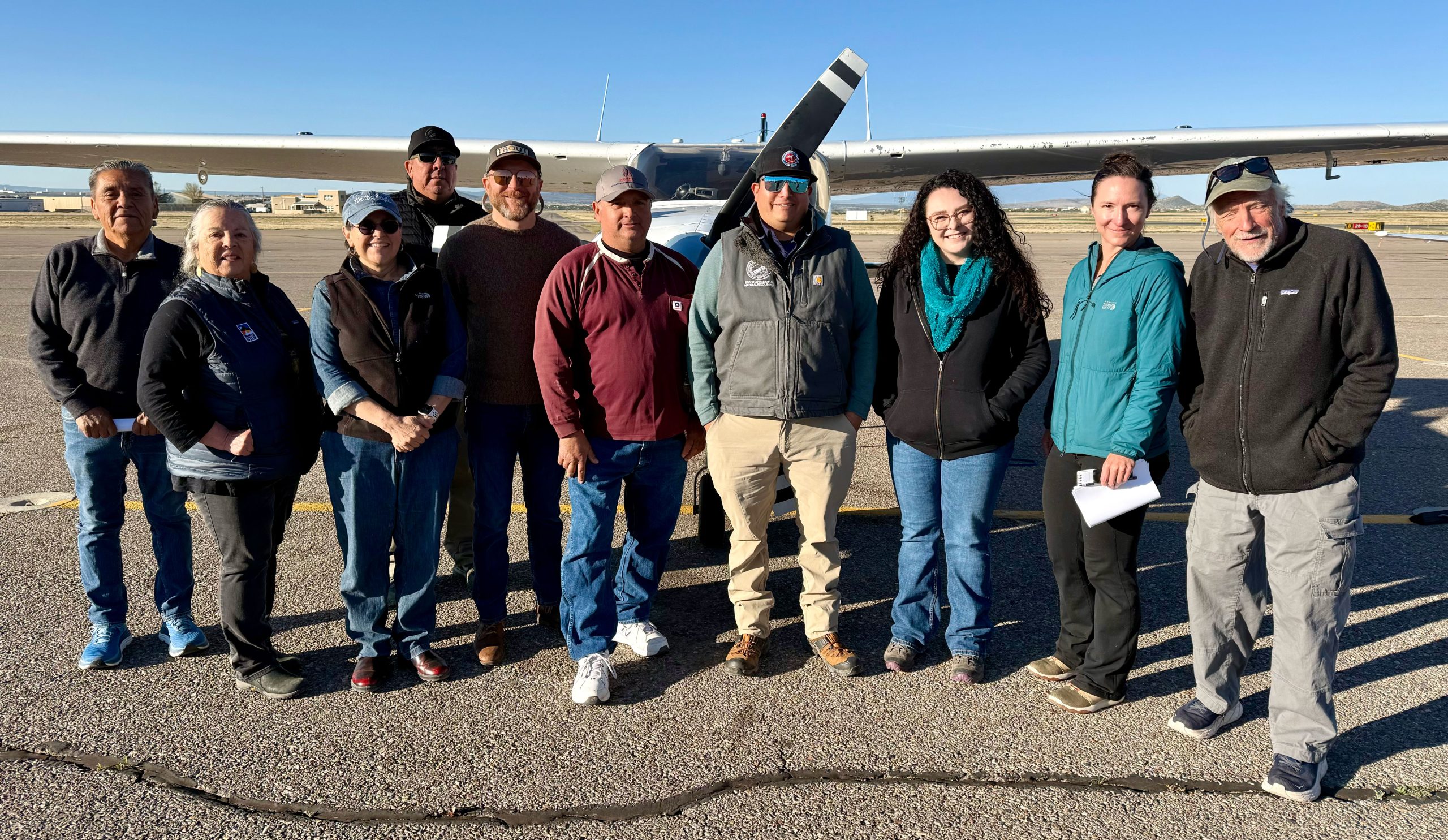
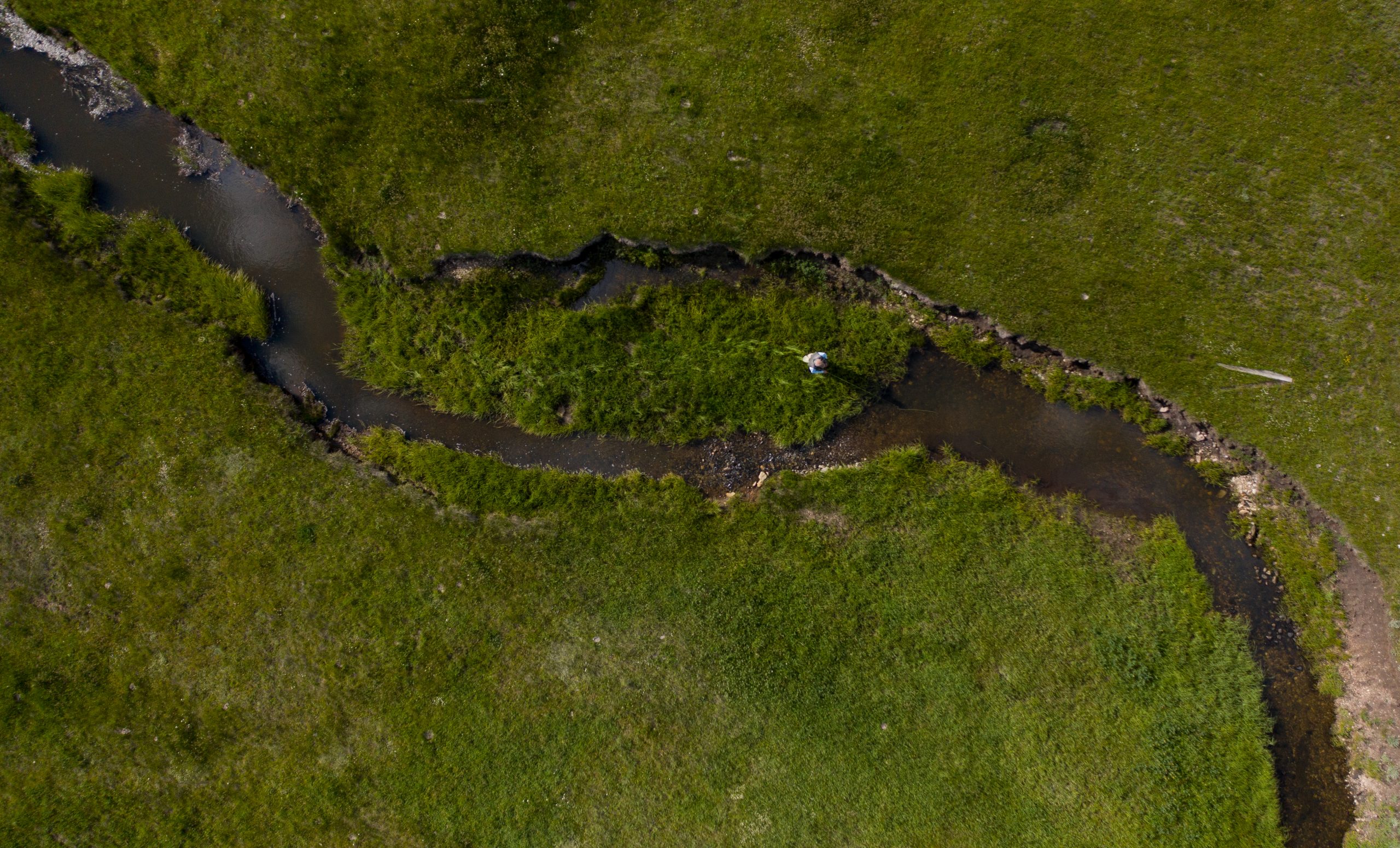
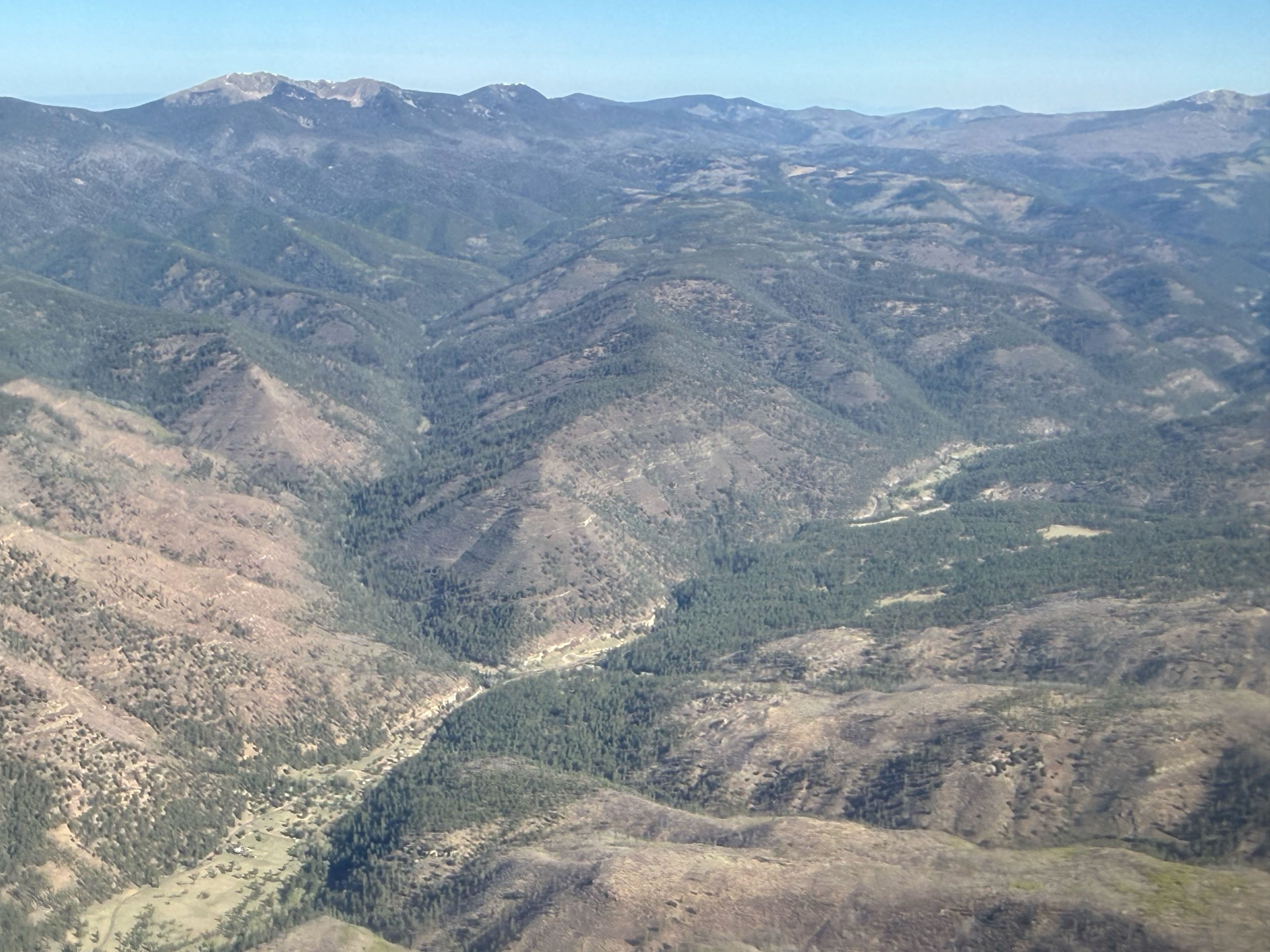
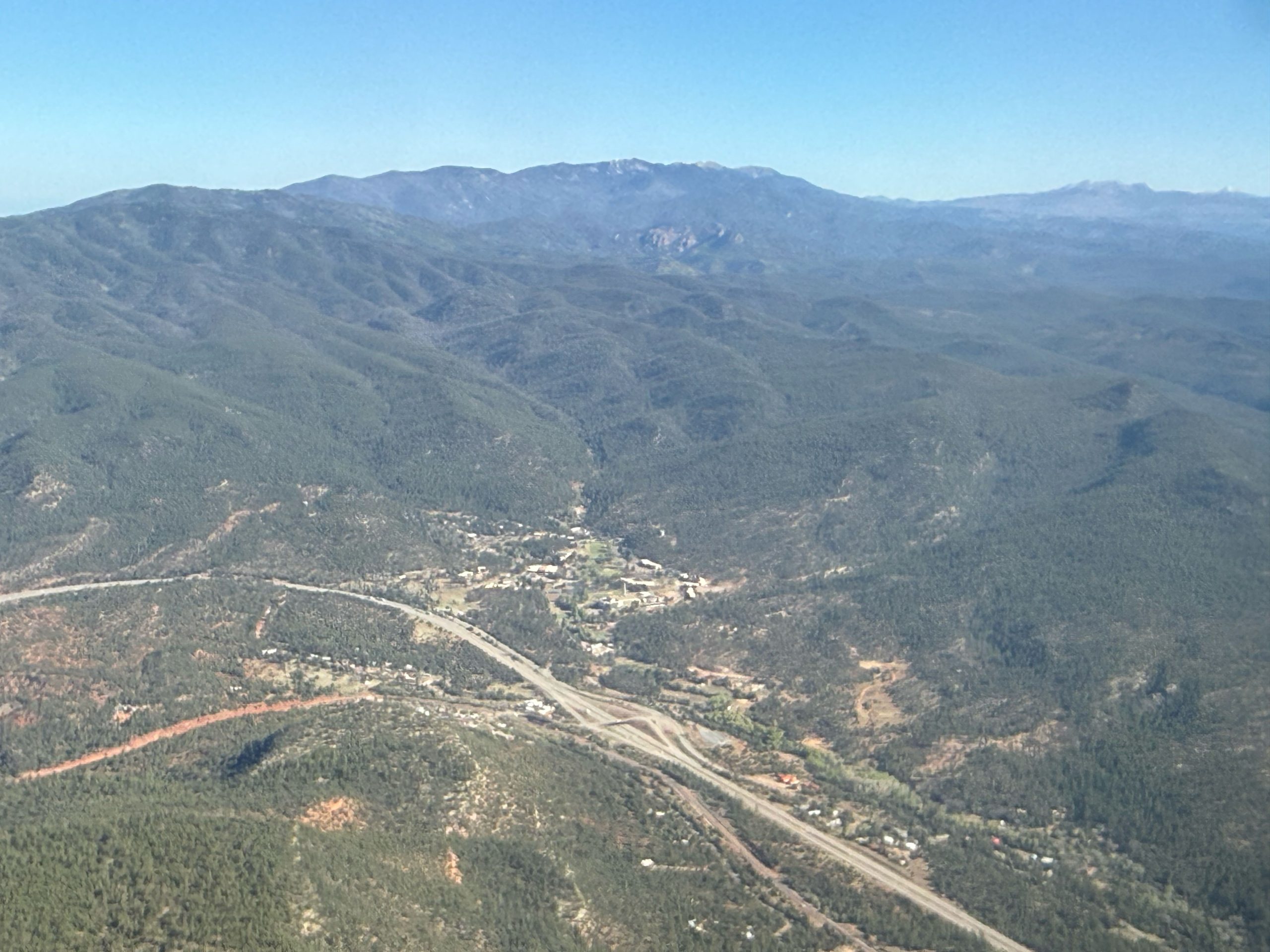
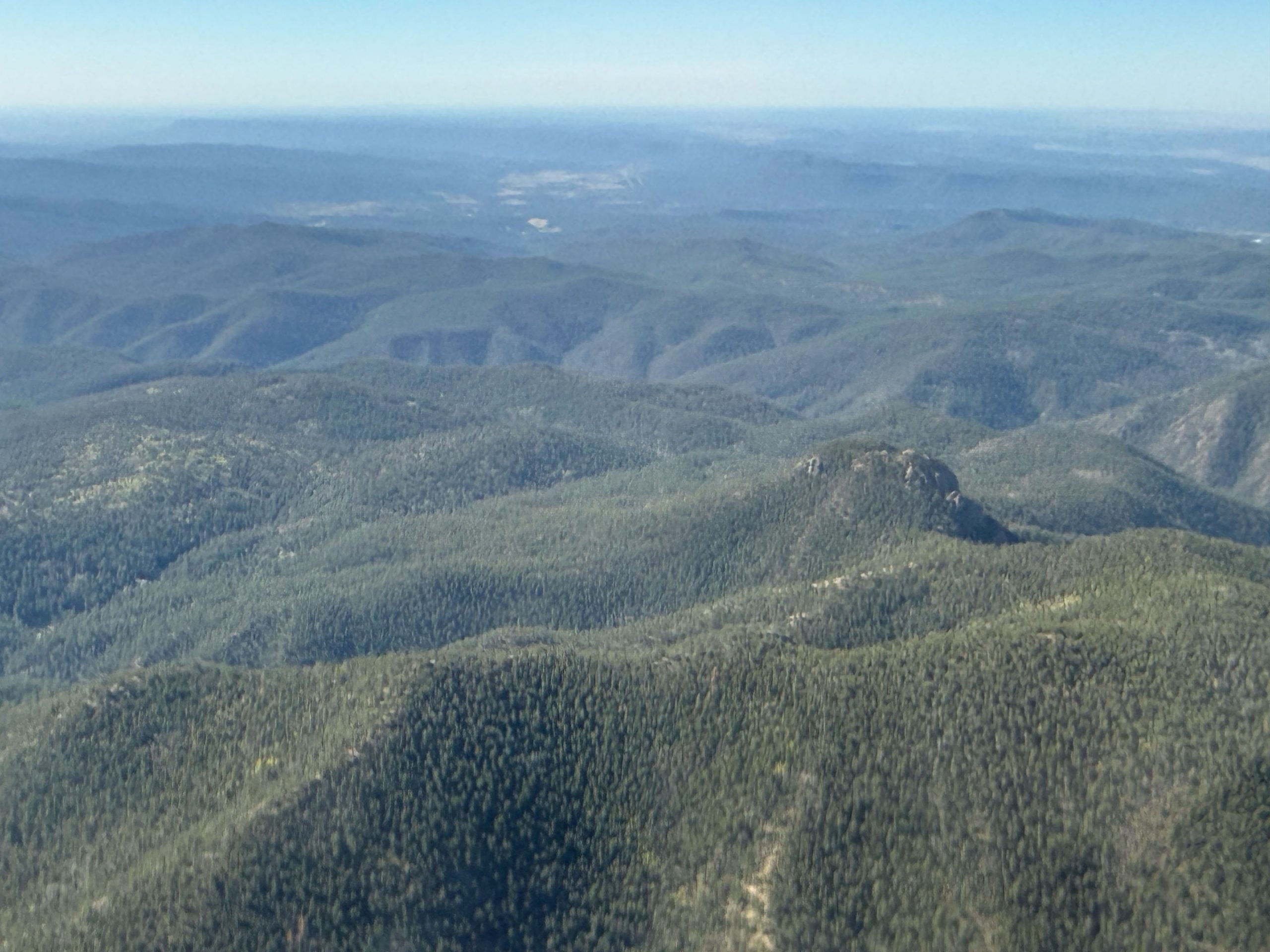
This morning’s EcoFlight over the Upper Pecos offered a powerful reminder that this landscape must be understood as a connected watershed, not a series of isolated issues. From the air, the relationships among headwaters, roadless backcountry, post-fire vulnerability, water quality, wildlife habitat, recreation, and downstream communities come into much sharper focus. What can seem separate on the ground is clearly linked from above.
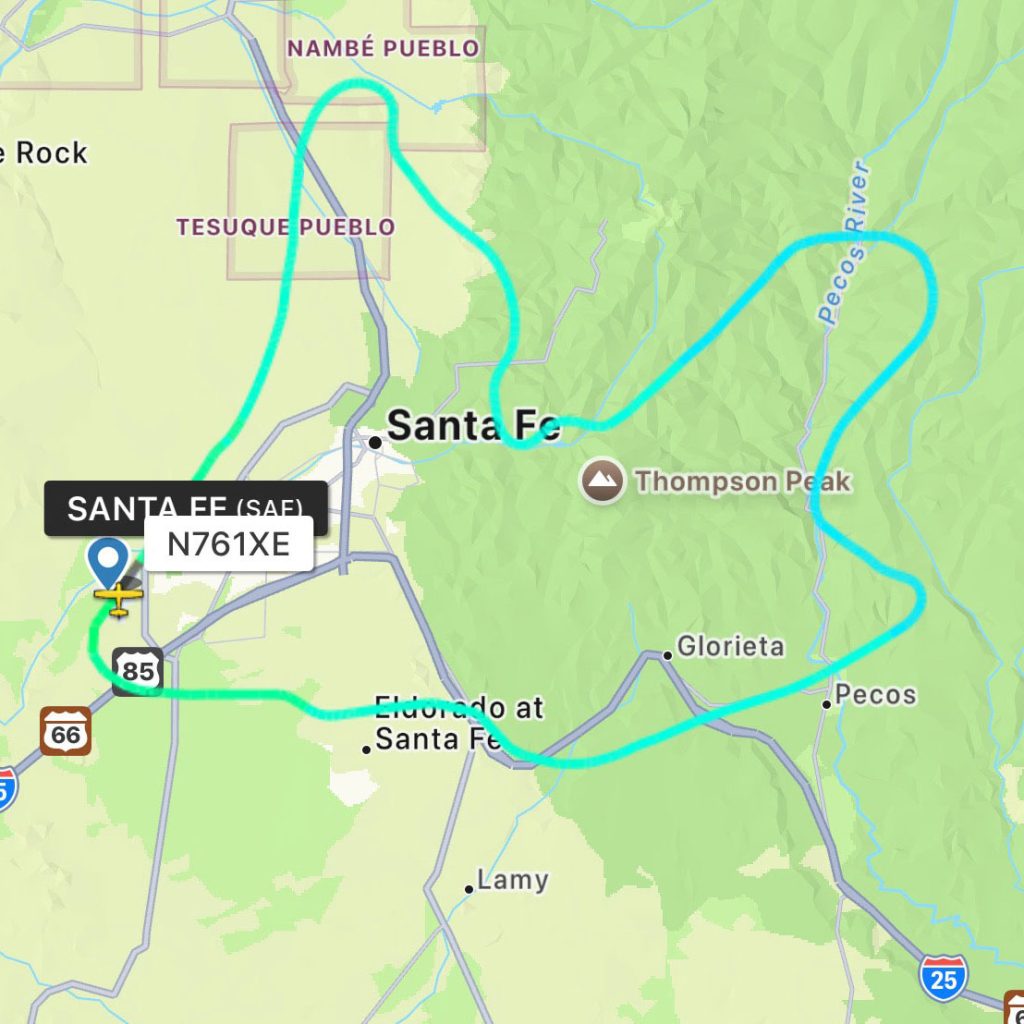
EcoFlight’s model is especially valuable in that respect. By helping conservation partners, public officials, media, and community leaders see public lands and watershed issues at landscape scale, it creates a better shared understanding of what is at stake and why collaborative stewardship matters.
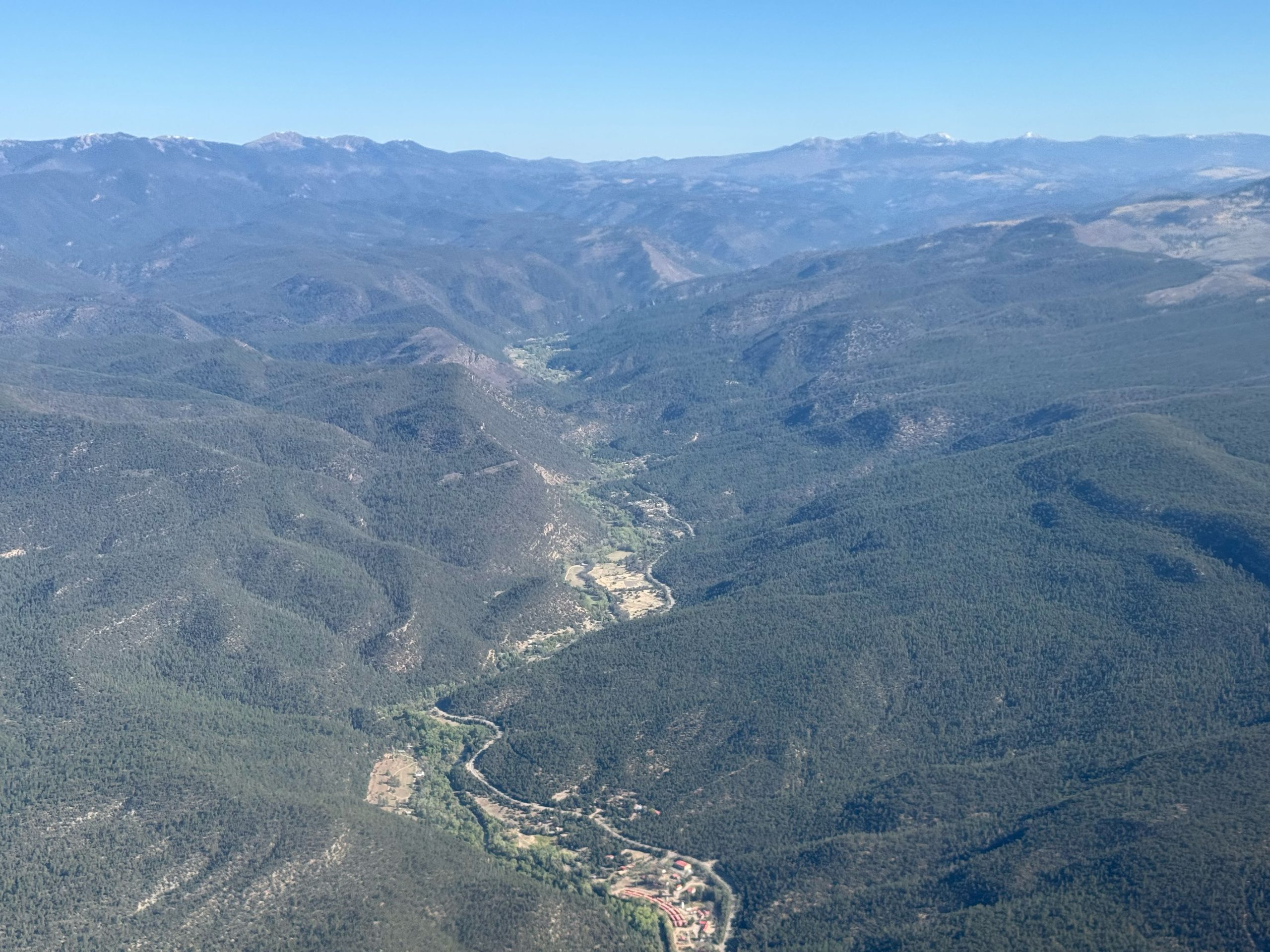
I was glad to participate as a representative of the Truchas Chapter of Trout Unlimited, primarily to listen, learn, and help connect what we saw from the air to the chapter’s existing conservation priorities in the Pecos watershed. Those priorities are already reflected both in our recent National Leadership Council submission and in Truchas’s adopted 2026–2031 Strategic Plan, which emphasize a ridge-to-river conservation approach rooted in forest health, watershed resilience, water-quality protection, native trout habitat, citizen science, restoration, and partnership-based conservation.
The flight reinforced several things. First, the health of the Pecos depends on protecting intact headwaters and connected habitat. Second, roadless and undeveloped backcountry still play an important role in sustaining watershed resilience. Third, water-quality threats must be taken seriously in a system where impacts move downstream quickly and affect communities, fisheries, and habitat alike. And finally, post-fire restoration and long-term watershed recovery are not abstract ideas. They are visible, urgent, and inseparable from the future of this river system.
For Truchas, the experience closely aligns with the chapter’s mission to conserve, protect, and restore northern New Mexico’s cold-water fisheries and watersheds, and with the strategic plan’s emphasis on science, partnership, communication, youth engagement, and practical local conservation work. The plan specifically calls for working with conservation-focused partners to protect the water quality of the Pecos River and to support restoration and citizen-science efforts in the watershed.
The strongest takeaway for me was that the future of the Pecos will depend on continued collaboration. This is work that requires alignment among TU National, the New Mexico TU team, NM Wild, Upper Pecos Watershed Association, public agencies, local communities, and other organizations committed to the long-term health of New Mexico’s lands, wildlife, and waters. No one group will secure that future alone.
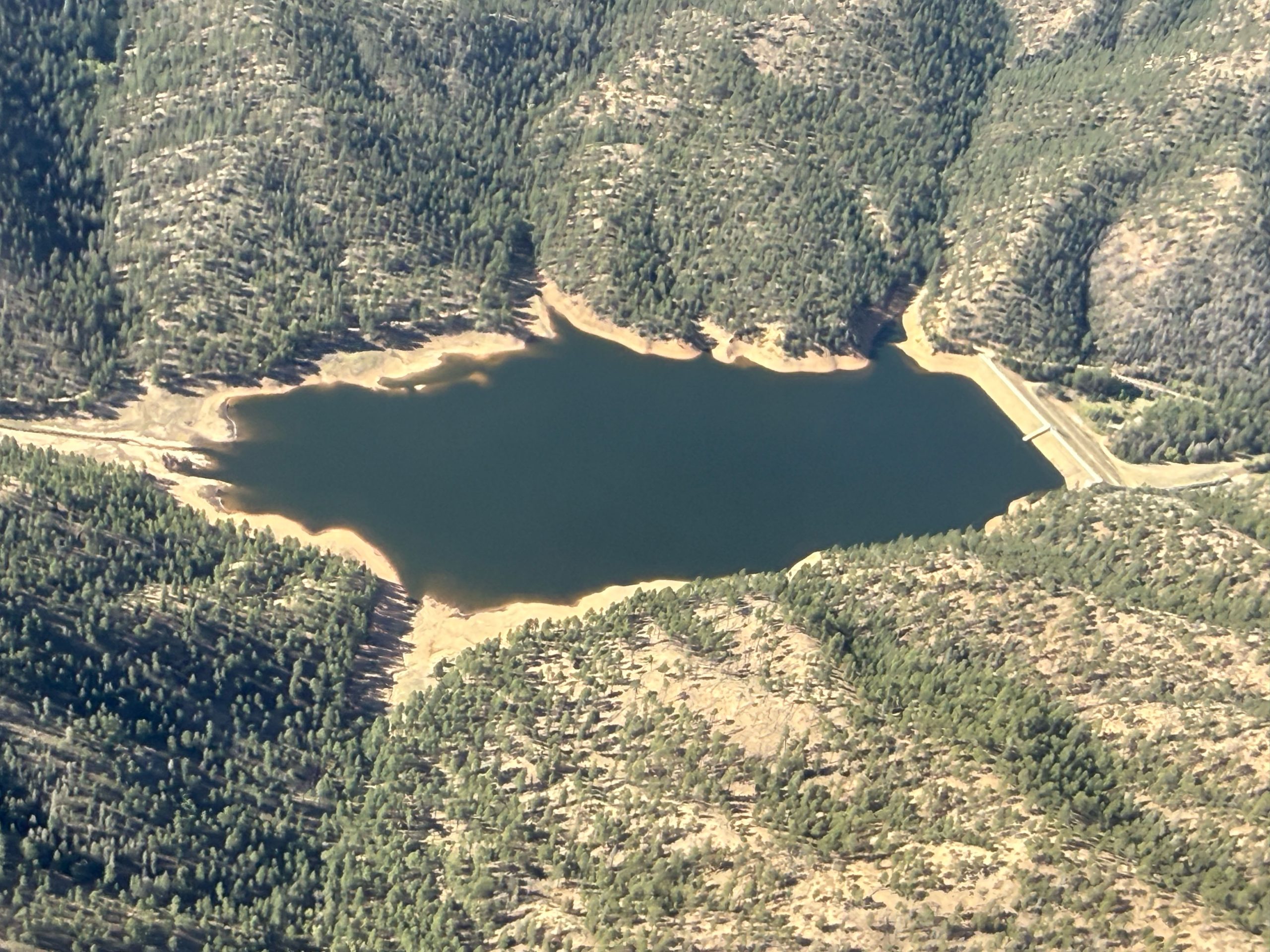
Just as importantly, the flight underscored the value of connecting large landscape issues to visible local action. Water-quality monitoring, river cleanups, youth education, restoration support, and strong communication are not side efforts. They are how broader conservation goals become real, grounded, and durable in community life. That is exactly the kind of work Truchas is positioned to do well.
Special thanks to EcoFlight for providing such a valuable landscape-level learning opportunity, and to Janice Varela of New Mexico Wild for helping facilitate the flight and bringing together an excellent group of local leaders, conservation advocates, and partners.
Tight lines, and cold, clean waters.
– Patrick Iverson