Editor’s note: We’re pleased to share this guest report from Daniel Gibson on recent restoration work along the Rio San Antonio, a high-country tributary system in far north-central New Mexico that supports Rio Grande cutthroat trout and other native aquatic species. Daniel captures both the ecological importance of this ongoing Trout Unlimited project and the human side of volunteer-driven conservation: long drives, steep hikes, hard work, campfire conversations, and the shared belief that healthier streams are worth the effort. Projects like this remind us that restoring cold, connected, resilient waters is slow work—but also deeply meaningful work.
Up against the Colorado border, northwest of Tres Piedras, rises a behemoth domed peak called San Antonio. Described as “the largest freestanding mountain in the nation” it is a remnant laccolith, an ancient intrusion of magma that rose to the earth’s surface like a giant bubble. It gently climbs to a summit elevation of 10,908 feet and dominates the scenic landscape of this remote strip of far north-central New Mexico.
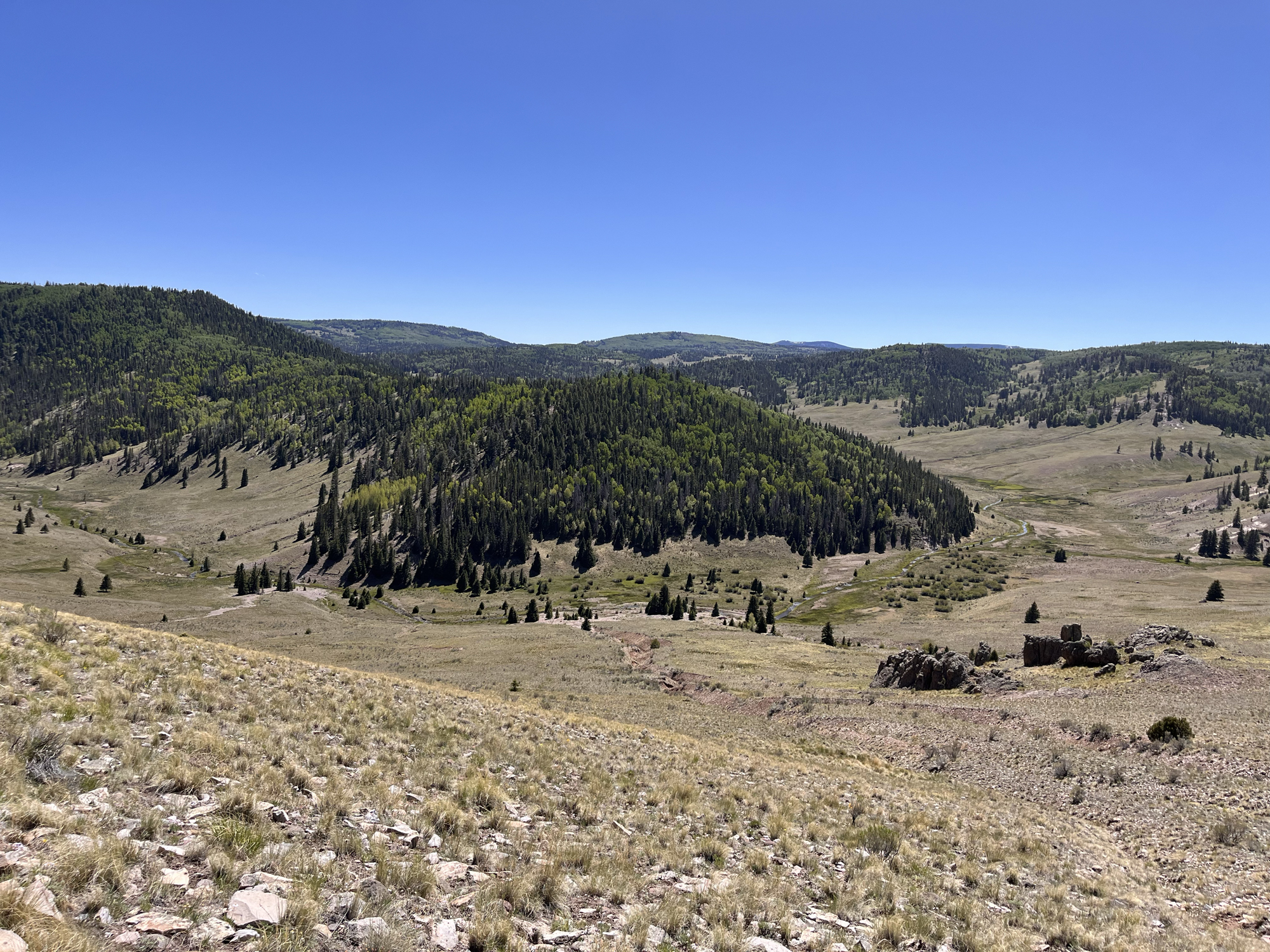
The mountain also gives its name to a humble stream that cuts a canyon along its northwestern edge before merging with the larger Rio de los Pinos, which in turn flows to the Conejos of Colorado and that into the Rio Grande. That is, during spring runoff and summer storms. Farming diversions often reduce the Pinos flow to a trickle, and with climate change, less snowfall and higher temperatures on the horizon that flow becomes even more questionable.
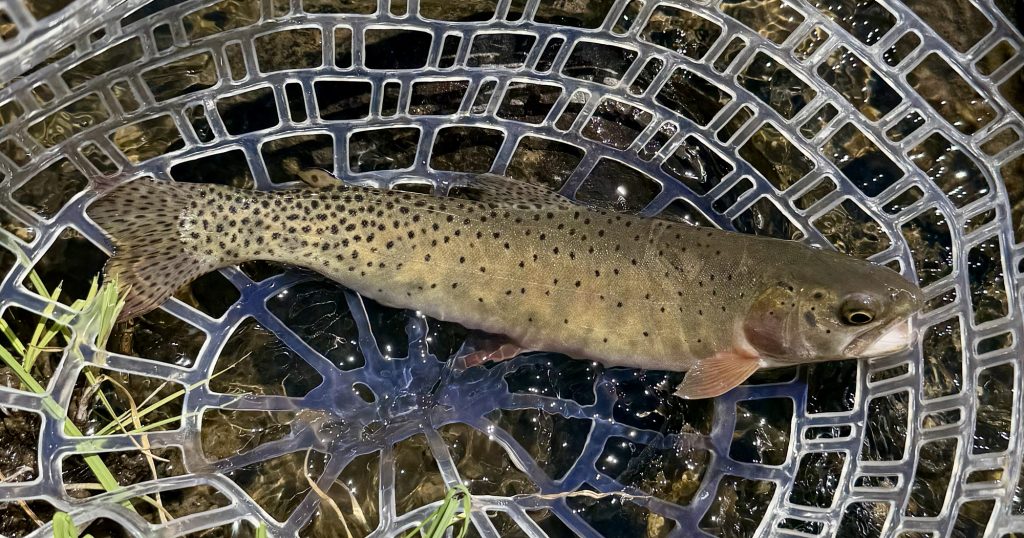
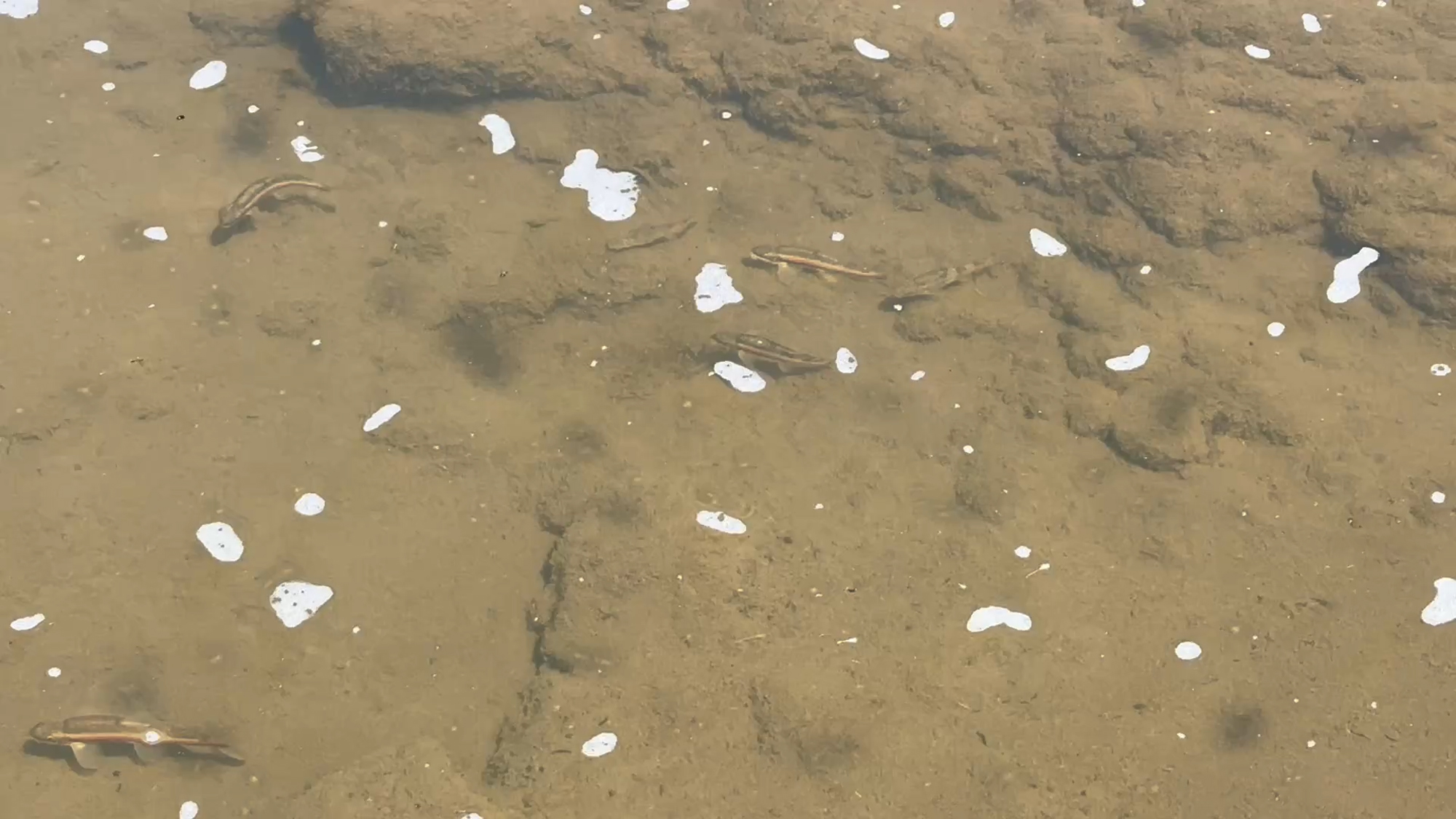
Despite this, upstream in the alpine valleys where the Rio San Antonio is born, water does still flow, and even more remarkable, harbors a growing population of Rio Grande cutthroat trout, as well as German browns, orange-stripped Rio Grande chubs, and Rio Grande suckers.
A multi-year project of Trout Unlimited is underway to improve habitat on the San Antonio, which in turn will provide cooler water temperatures needed for trout, and even increased and more dependable water volume in the stream, benefitting fauna and downstream farmers. It is a win, win, win.
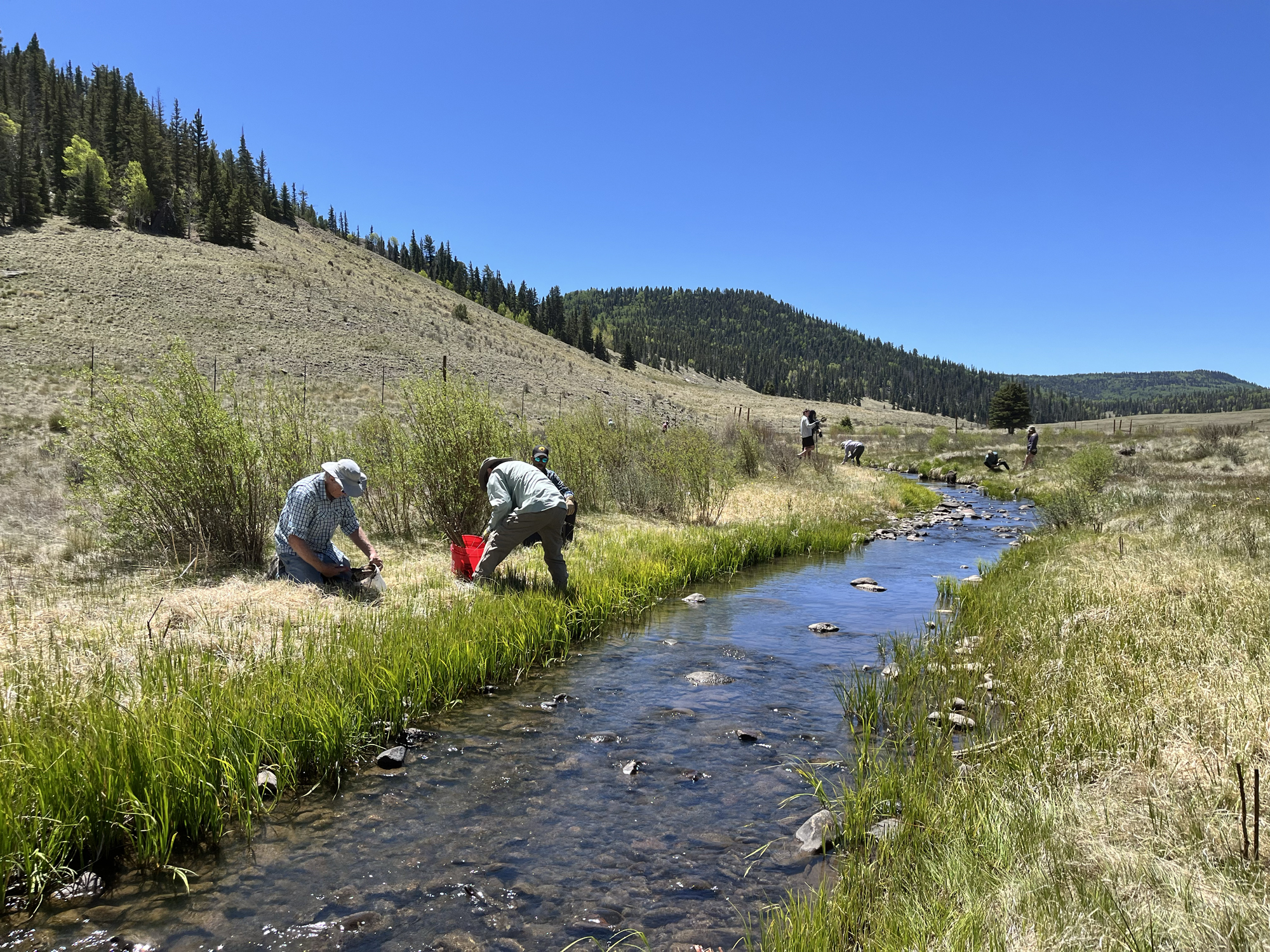
The project was launched in 2020 with a survey of the San Antonio’s upper watershed, and in 2021 a small population of cutthroats were found. A few years back, volunteer teams led by TU staff began making arduous treks into the upper valley to plant willow shoots along the denuded banks of the stream. Other teams have created jumbled piles of logs to trap and hold sediment, creating some deep holes.
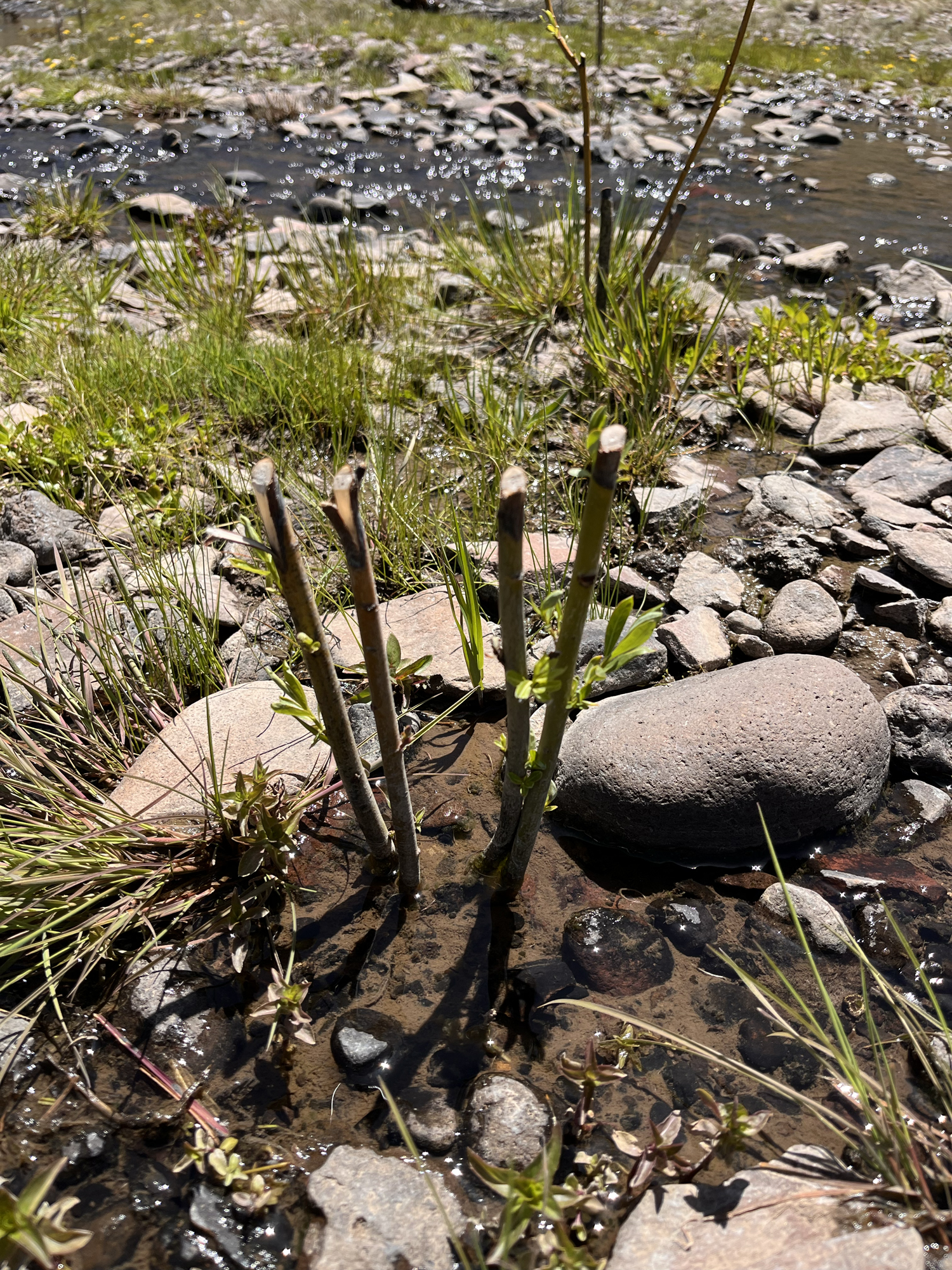
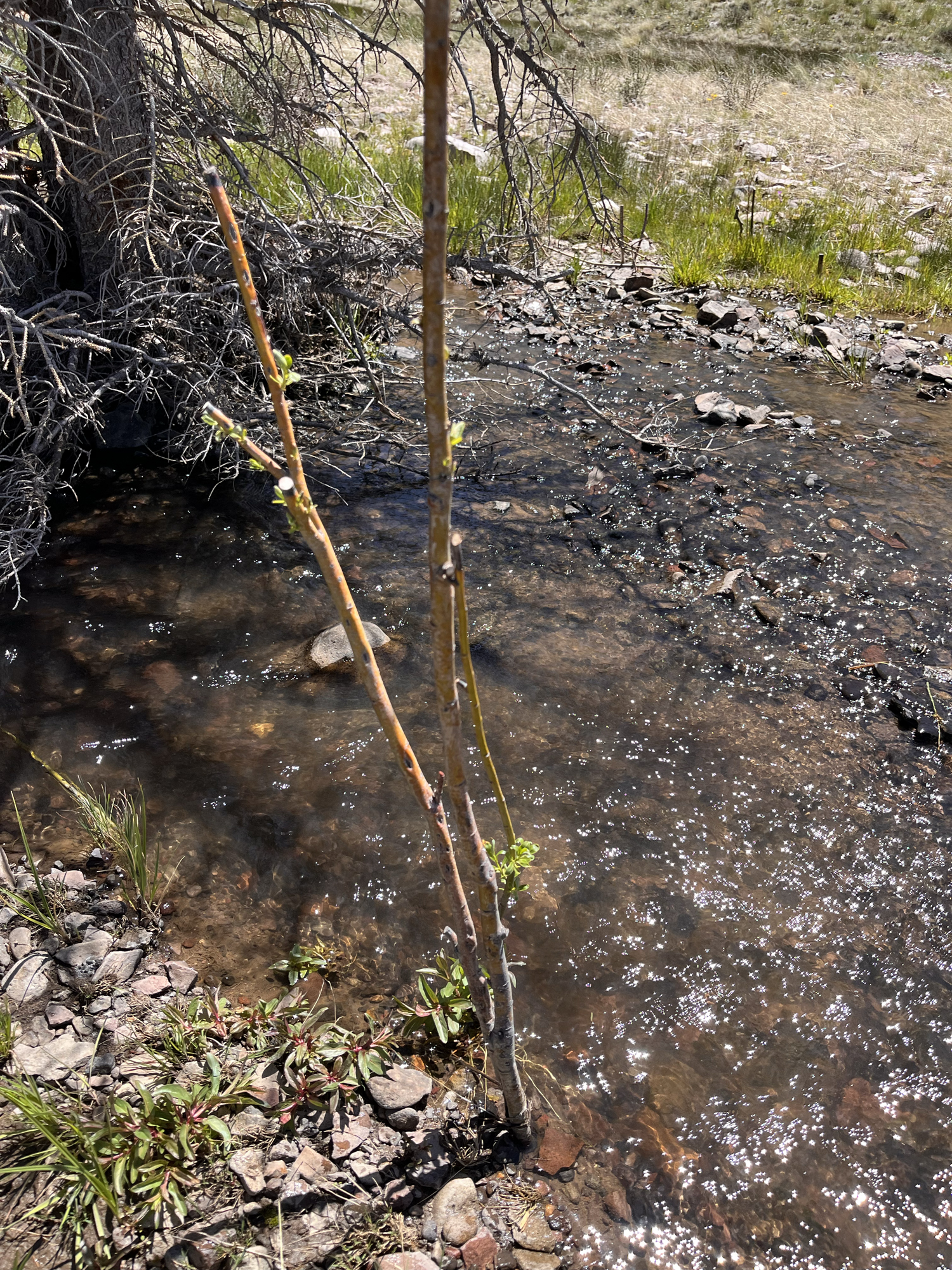
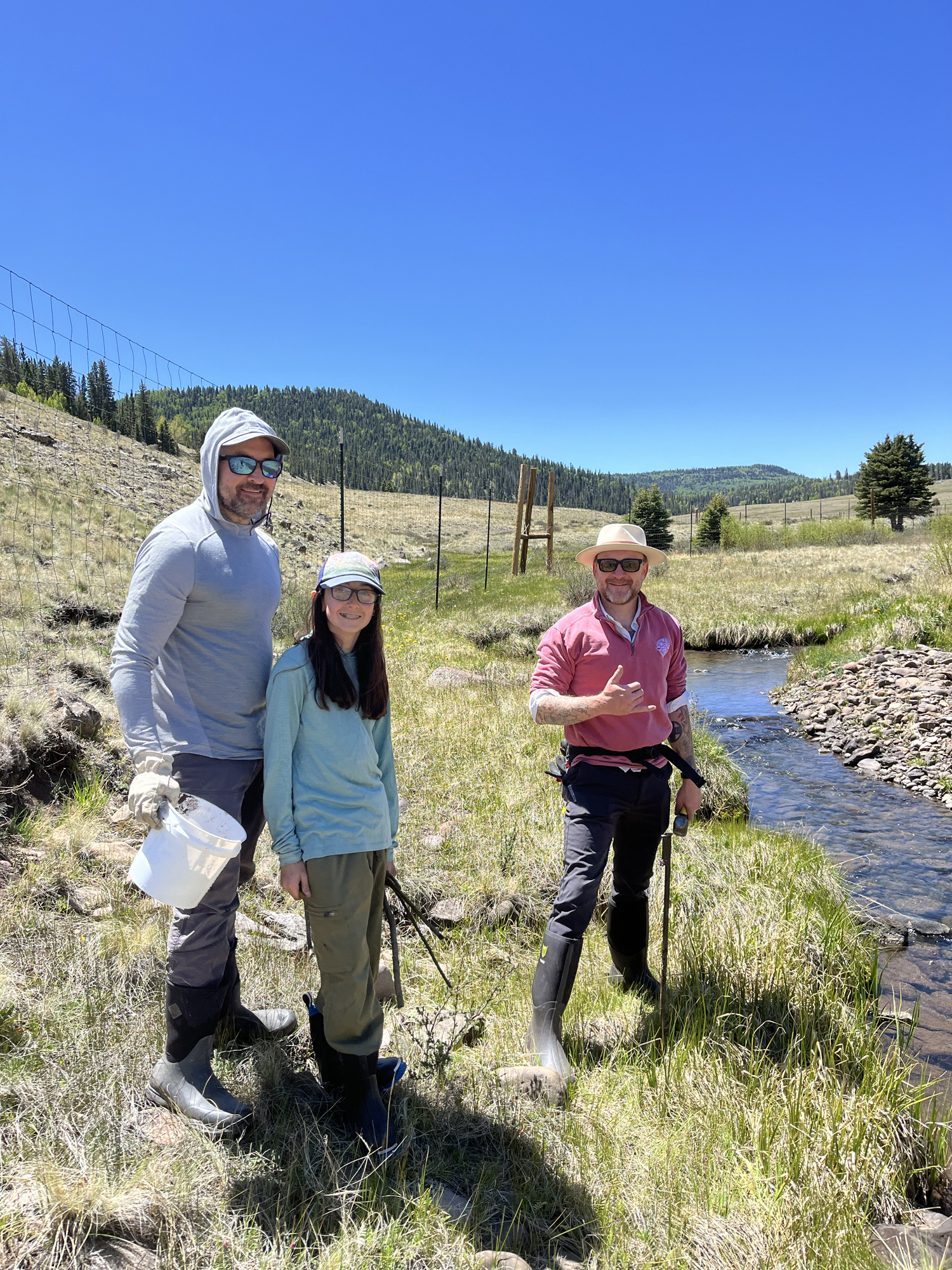
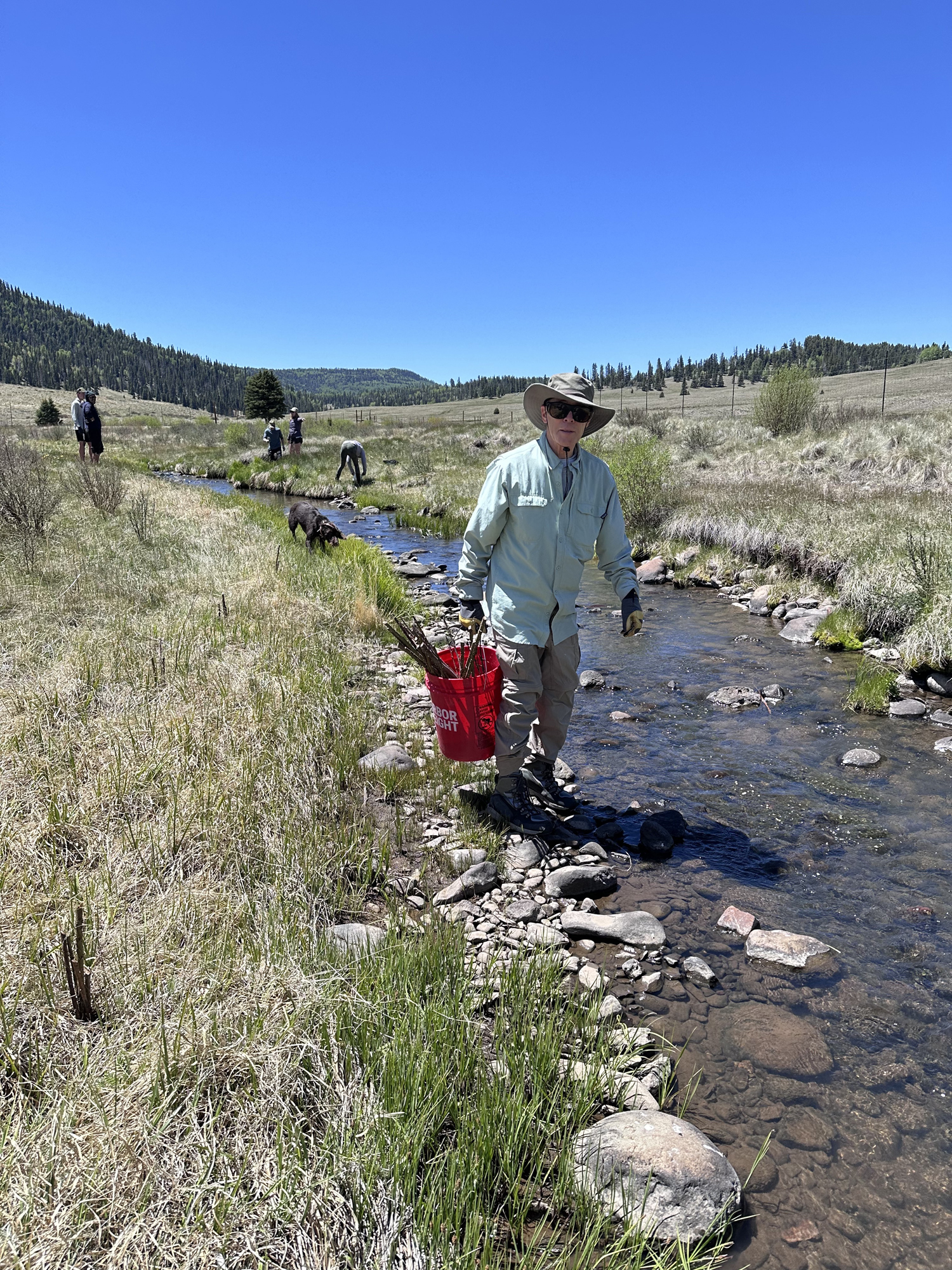
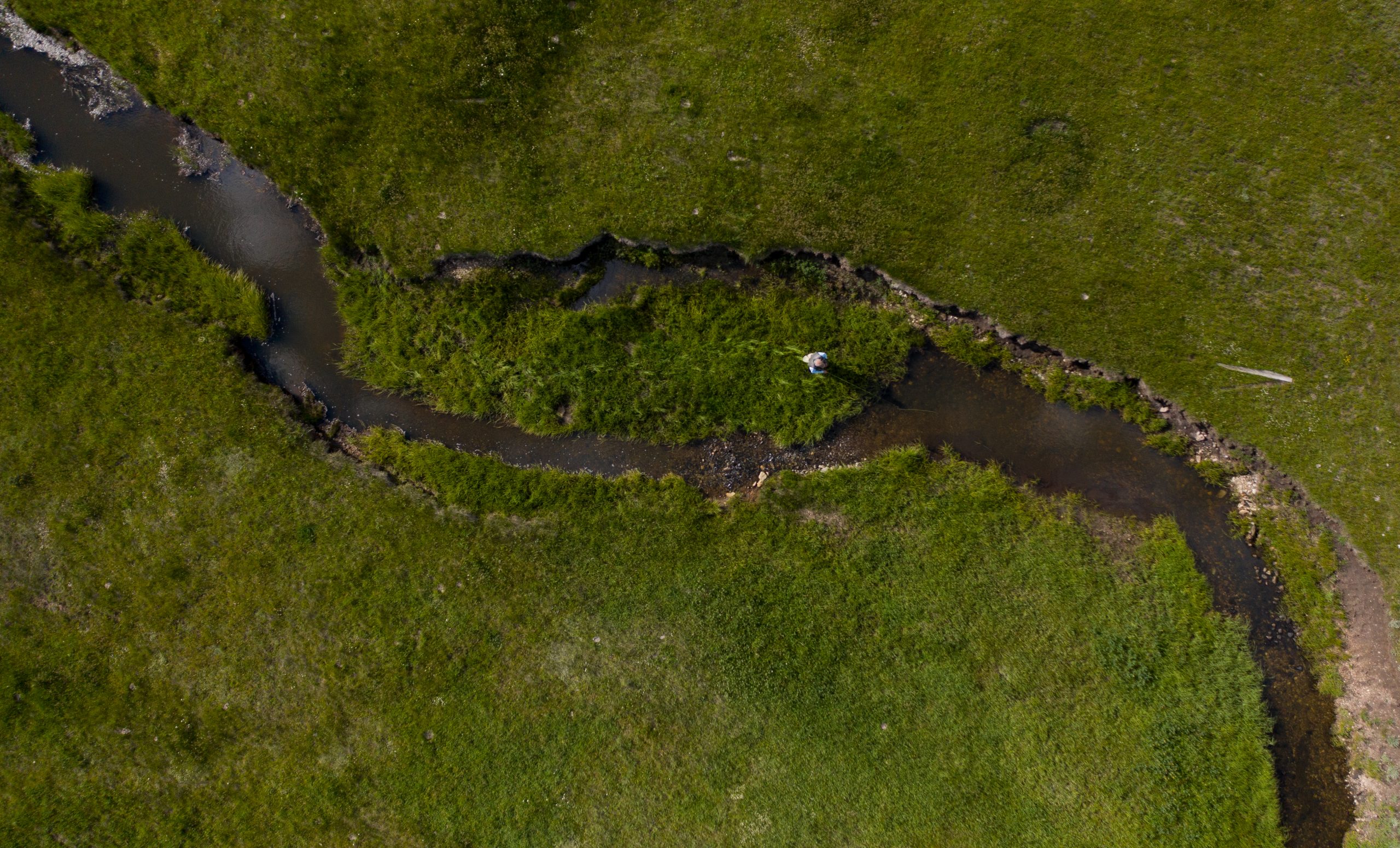
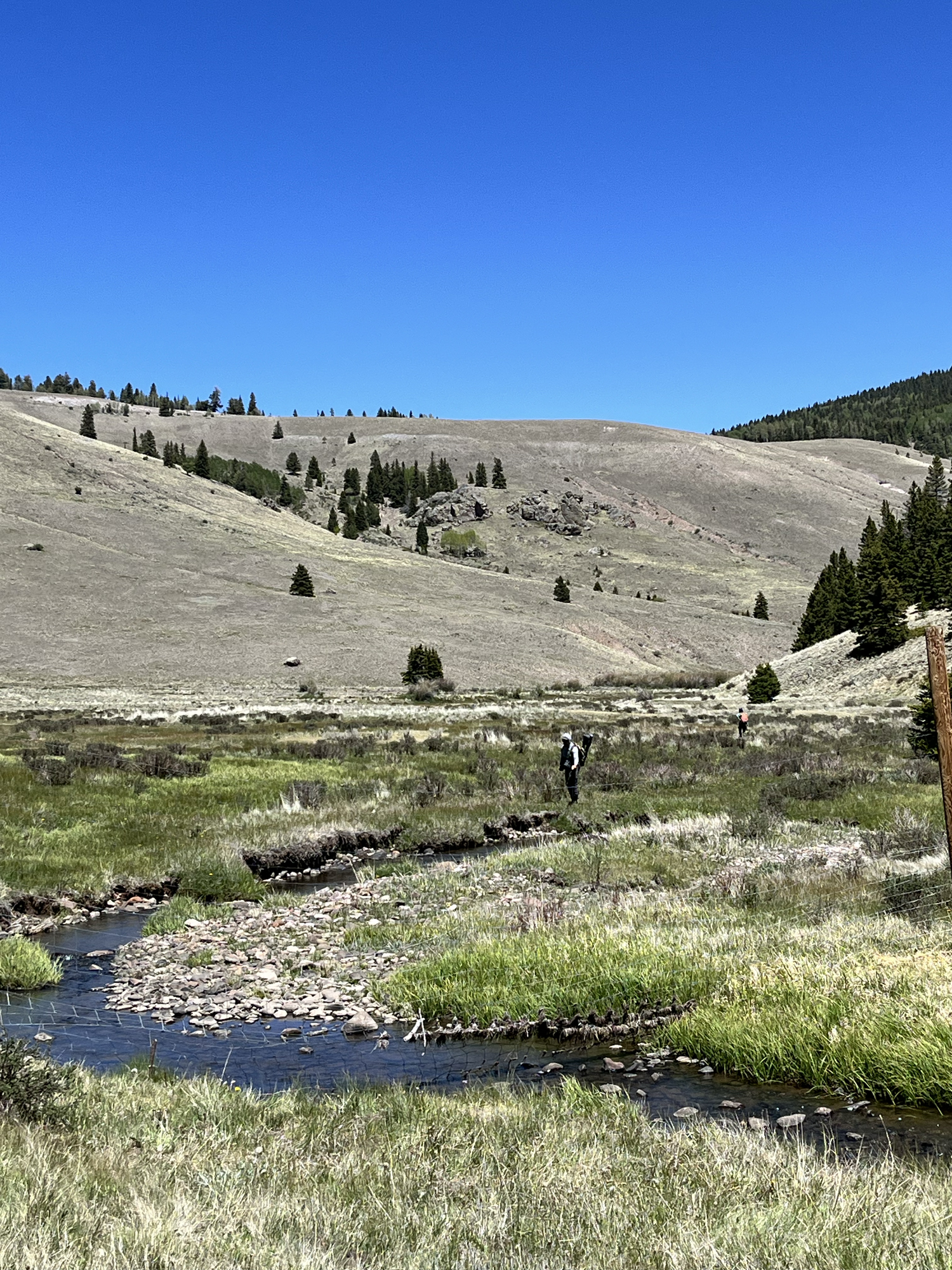
Centuries of intensive sheep grazing, up to 2 million head it is estimated, followed by cattle, and natural consumption by elk and deer have stripped the banks of vegetation, removing shade cover, and widened the stream bed, increasing sunlight absorption and thus temperature. At times, in lower stretches of the stream, thermometers can hit 80 degrees—lethal for trout. Heavy grazing and timber cutting (an estimated 2 million board feet was removed in the early 1900s) resulted in tremendous floods in 1911 and 1938, which caused massive sedimentation, and deposition of cobbles and gravel in the upper valley’s floor, further degrading the habitat
The return of willows will provide shade for the stream bed and over time narrow its channel, which will grow deeper, providing better habitat for trout and cooling the water. Less water will be lost to evaporation. And, ultimately, the willow will attract nature’s hydro-engineers, beaver, whose favorite foods include willow bark. They, in turn, will create deep ponds, further enhancing the watershed’s ability to hold and slowly release water downstream for the benefit of people and wildlife.
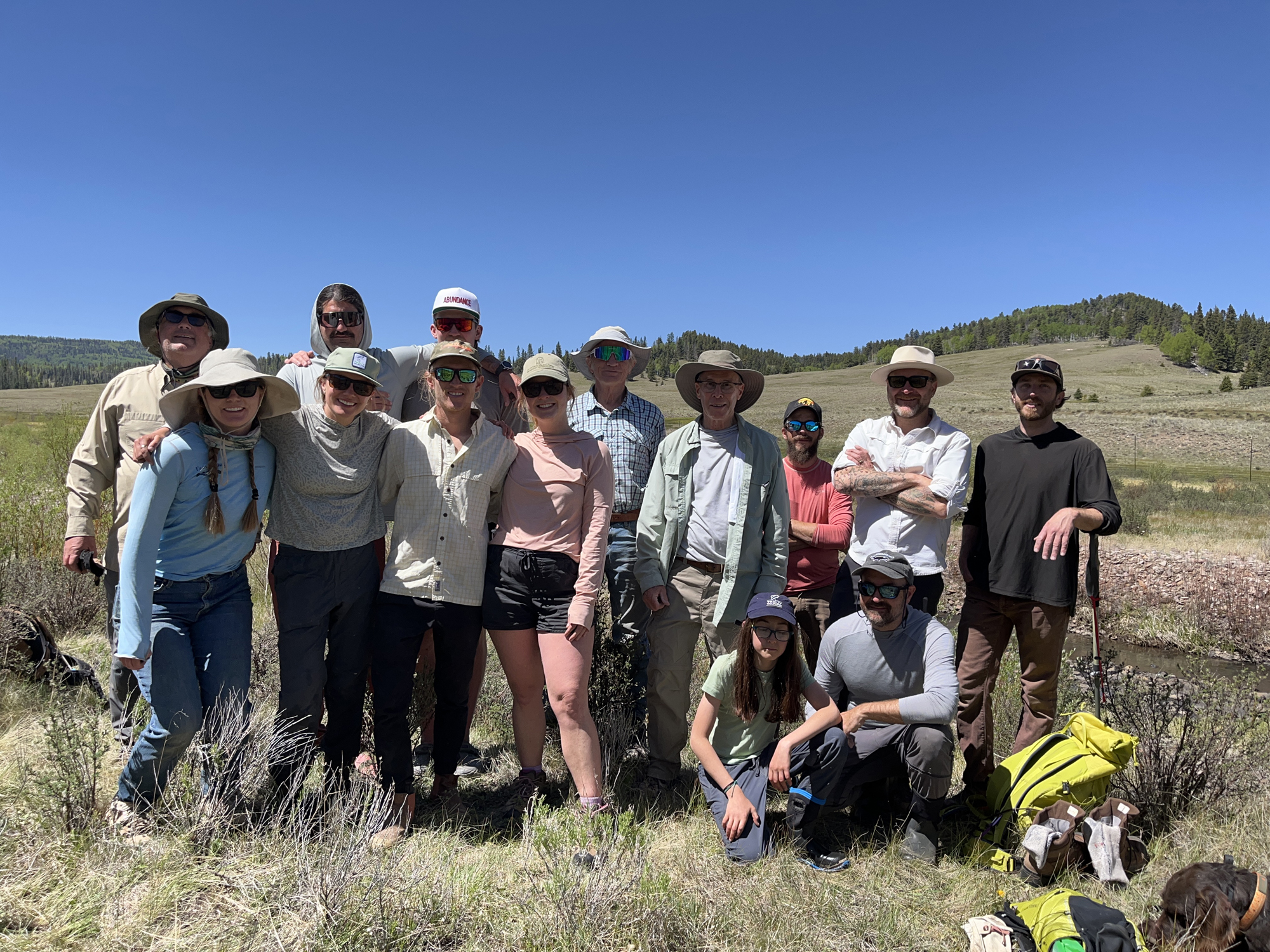
Our party of 13 adults and one enthusiastic minor, had driven in on a Saturday morning in mid-May, climbing steadily from the dry, sagebrush foot of San Antonio Mountain. An hour or more of forest service roads climbing westward towards the spine of the Brazos Range soon brought us into lush mixed-pine and aspen forests broken by immense meadows. Turning off onto ever-smaller, more rutted roads, we eventually approached the edge of a deep valley and into a grove that would serve as our campsite. People quickly erected tents or situated their pop-ups here and there and we gathered around team leader Juliet Smith for brief introductions and a project overview.
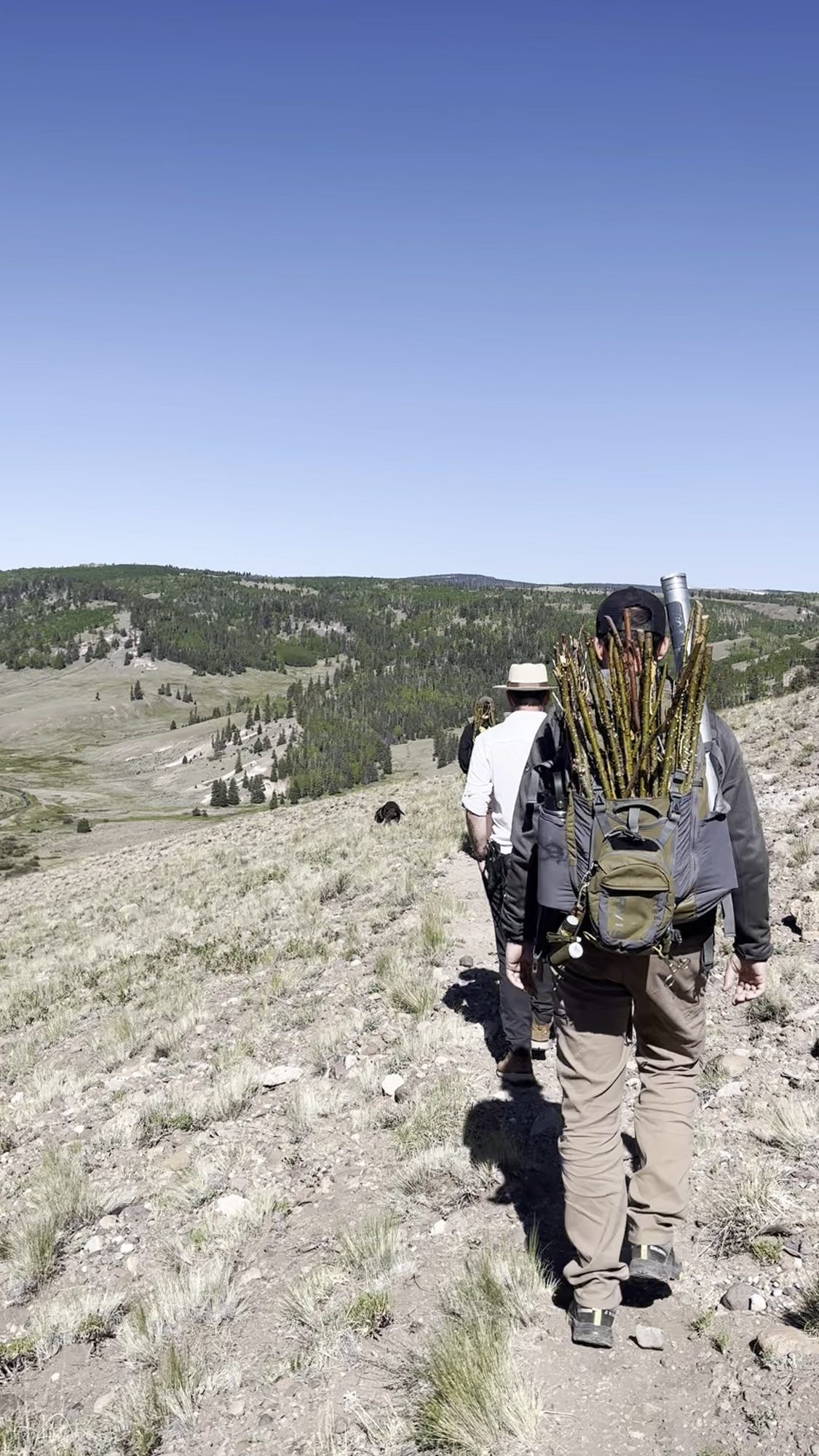
Gathering the willow shoots, cut in the fall of 2026 in the lower valley and stored over winter in a dark shed in buckets of water, the tools needed for planting them, water, our lunches, spare clothing and fishing gear—for we’d been promised some afternoon time to wet a line if we wished—we set off on the descent to the rio itself. I was waaaaay overpacked and would suffer in the days ahead from the exertion required to make the 500-foot descent and climb back up, plus the 5 miles of ground we covered to get to the site and the terrain I covered when fishing.
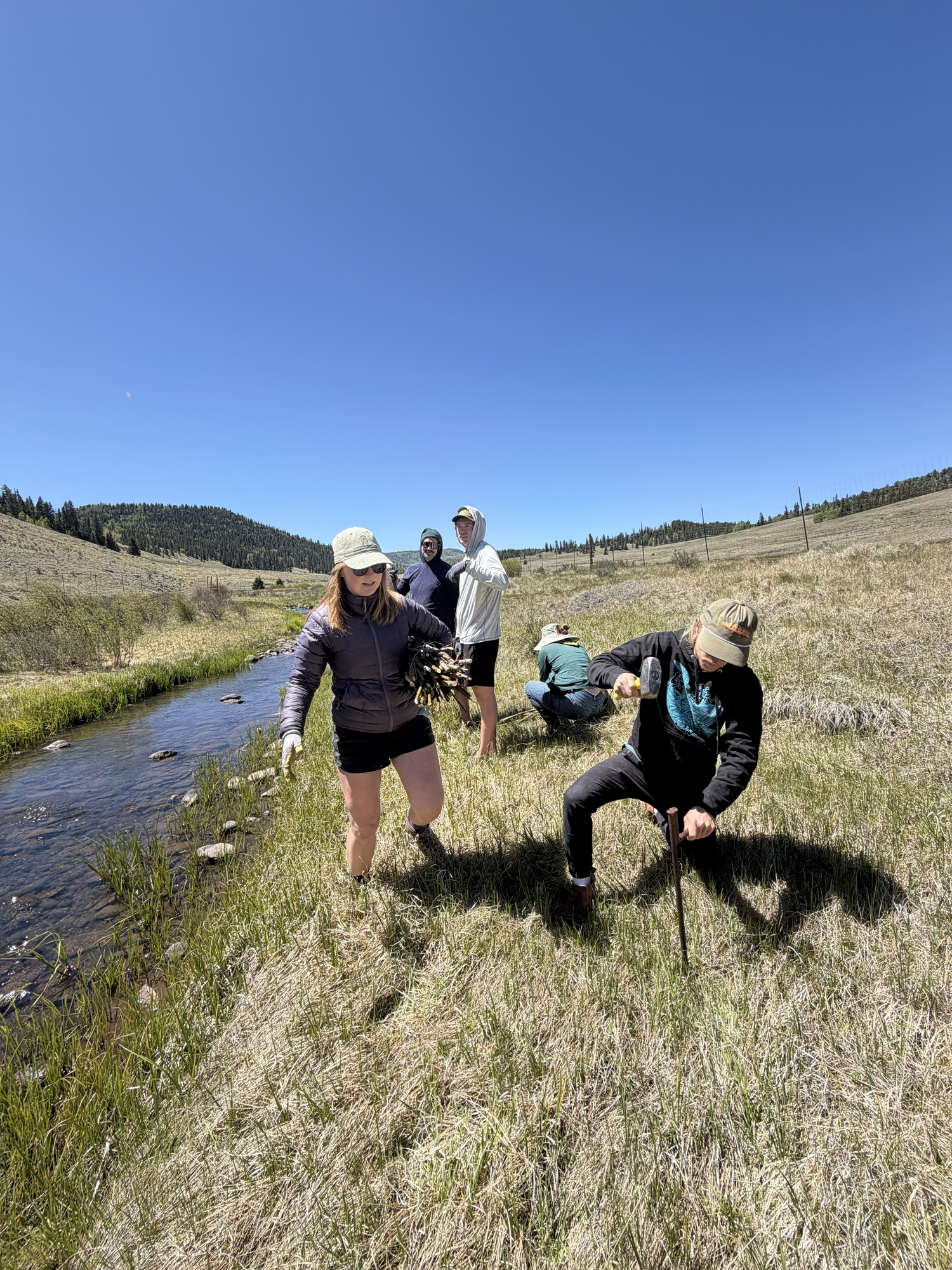
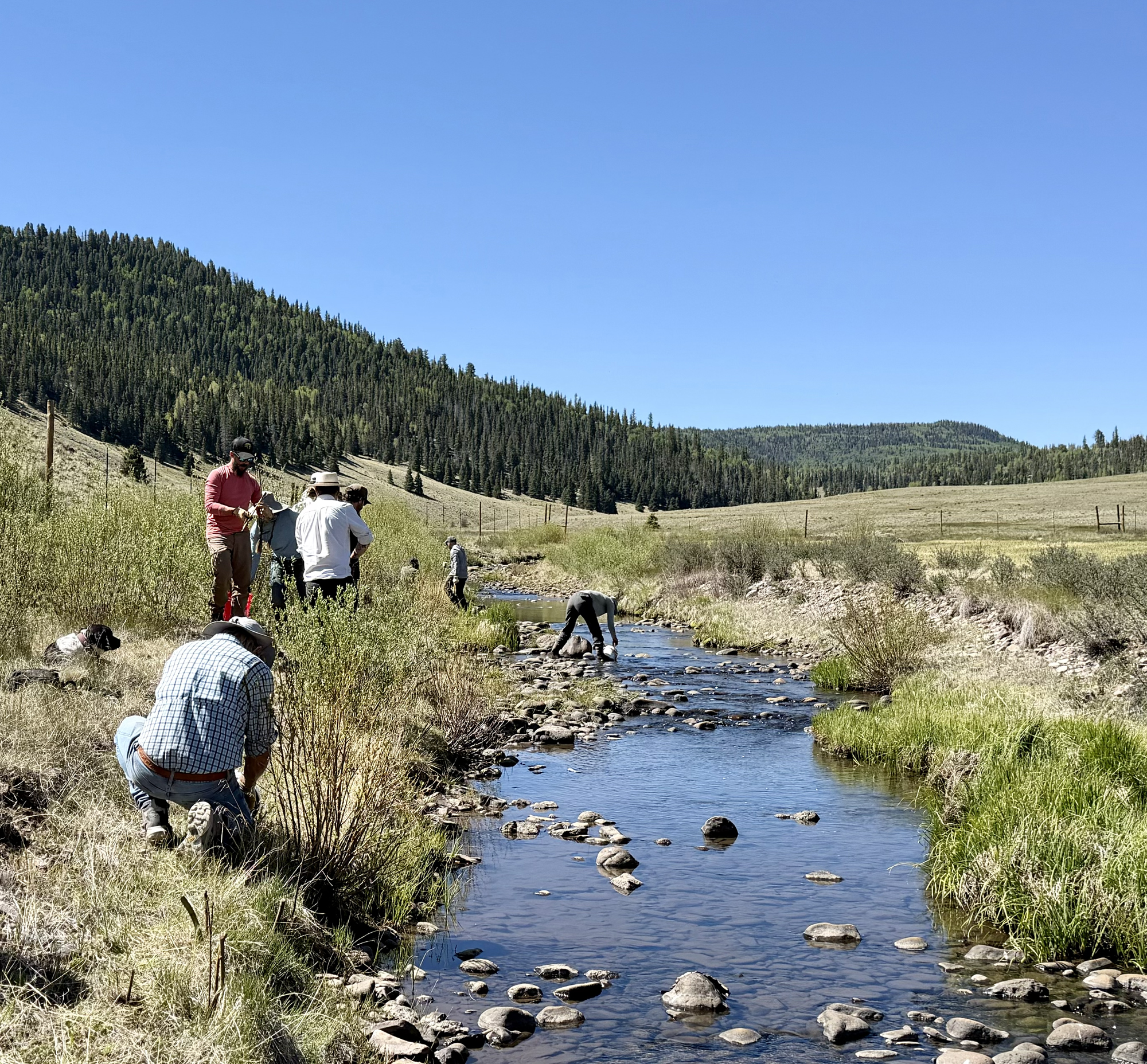
It was a cloudless day and quite hot, and we were also buffeted by endless gusts of cold wind and constant breezes. Yet, the crew was enthusiastic, and we soon were pounding rebar holes in the stream banks, working the willow shoots into them, and refilling the holes with a mud slurry mix. We worked inside a tall fenced enclosure put up by previous work crews, which will keep out elk and cattle and so aid in the shoots’ growth. But we also came across shoots planted outside of the fencing by previous teams and many were spouting new growth at their base and others already four feet tall and sporting multiple branches.
Looking at the crew of men and women, running from their 20s to early 70s, plus our one teen, hunched over for hours sticking tiny twigs into the earth raised the question: why? Why take the time and effort to undertake a project which may or may not succeed, that will benefit not one’s friends or family or town, but other species? Perhaps it’s the call of the wild that certain people hear, the desire to leave the Earth a bit better off, to push back against the grind of our industrial world.
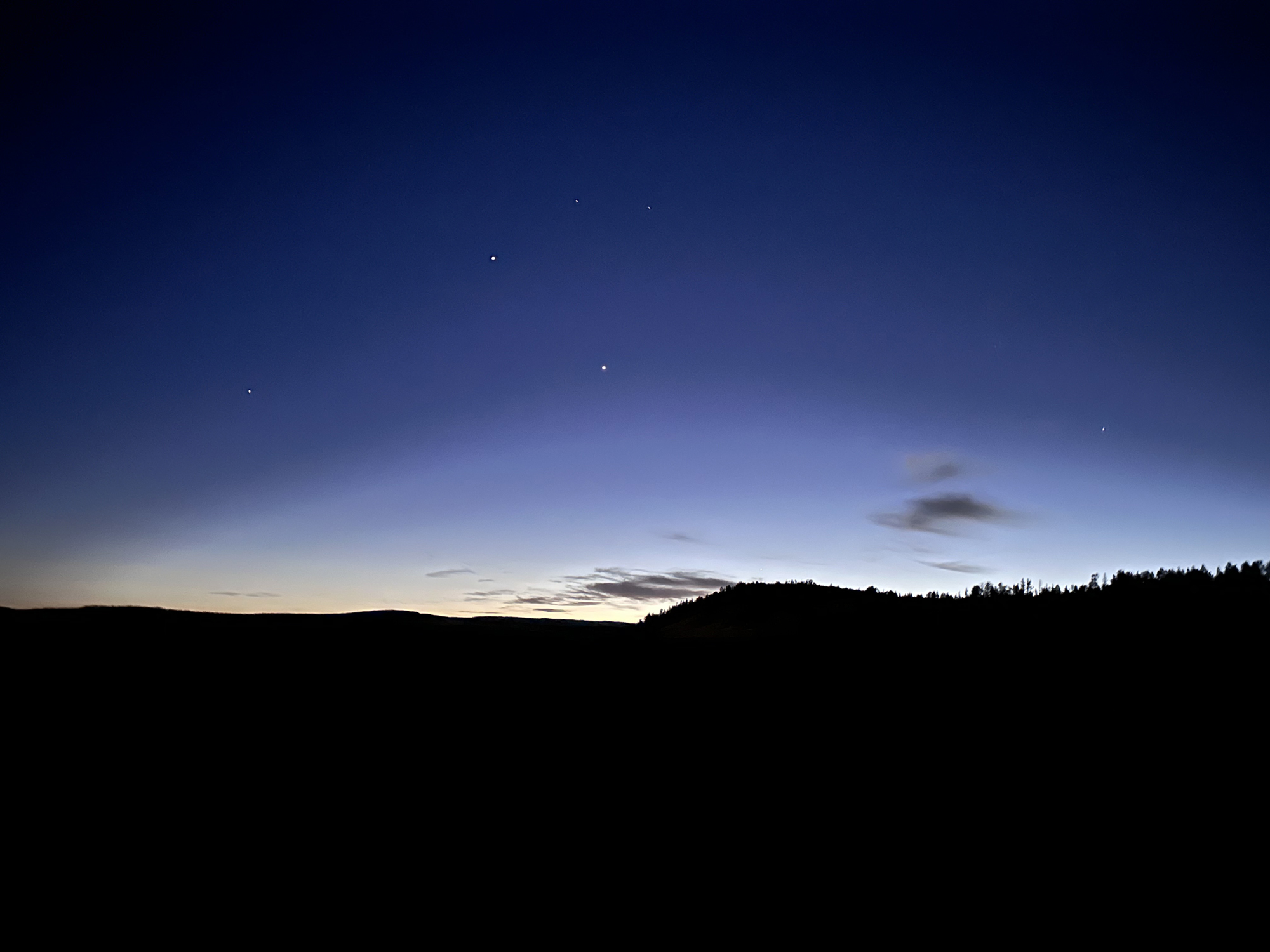
There’s also the comradery. That evening Juliet cooked up a delicious yellow curry tofu served over sticky rice, and we sat around and talked. Friendships were kindled, tall fish tales told, stories of travels and trials were shared. Evening stars came out in a brilliant display at our site at 9, 790 feet elevation. Wool caps, jackets and pants were donned. Some whiskey made the rounds, and more tales. But the next morning would come soon and the older crew slowly peeled off to our sleeping bags. That night, ice would form on thew dog’s water dish.
Or, perhaps it was the exposure to the wilds. Over the two days, we spotted three species of fish, some ducks, lots of birds (including red-wing blackbirds), a nest of a Wilson’s snipe filled with tender eggs, and a large bear paw track in some mud.
And, we did get to fish! Super clear water, shallow pools with overhanging banks, sun overhead required stealthy approaches, but flipping small Adams and caddis and black beetles did draw out cutts, German browns and chubs, with the largest GB measuring about 11 inches. Yes, the fish are still small, but we also saw thousands of minnows and fingerlings, where prior to these efforts fish were extremely rare.
Build it and they will come.