Editor’s note: In this guest essay, New Mexico writer Daniel Gibson reflects on family, memory, and the generations of anglers who shape how we come to know the water.
Like many fisherfolk, I was introduced to the calling by an older brother, David E. Gibson IV, who recently passed away in Albuquerque—thankfully at home in his bed one night.
As a kid, I recall watching him and my father gearing up to go out for the evening hatch on a series of small lakes and ponds at a then-idyllic spot called Honey Boy Haven Ranch (later to become the Bar X Bar) near Pecos, New Mexico. I’d follow them down the hill from our cabin to the water, envious of the bond they seemed to share in this endeavor and of the obvious excitement as they scanned the growing dimples appearing on the ponds. I was told to be quiet, stay far back, and watch. I did, but would soon grow bored and wander off.
My father grew up fishing the Gunnison, the tributaries of the Arkansas, and other local waters around his hometown of Canon City, Colorado. His father, in turn, had introduced him to the sport—a serious endeavor, done with style and employing the latest gadgets. This included a set of chest waders that could be quickly drained at the ankle if one was caught in water over his head, as would happen in those big waters to our north, and an auto-rewinding reel for retrieving massive amounts of line with the push of a button. Confession to Dad: until I broke it one day messing around in his hunting and fishing closet. They wore flat wool caps, called Ascots, with flies in the brim and handed down bamboo rods and cane creels from one generation to the next like sacred scrolls. I kept one creel for years as a reminder of the great fishermen of my past.
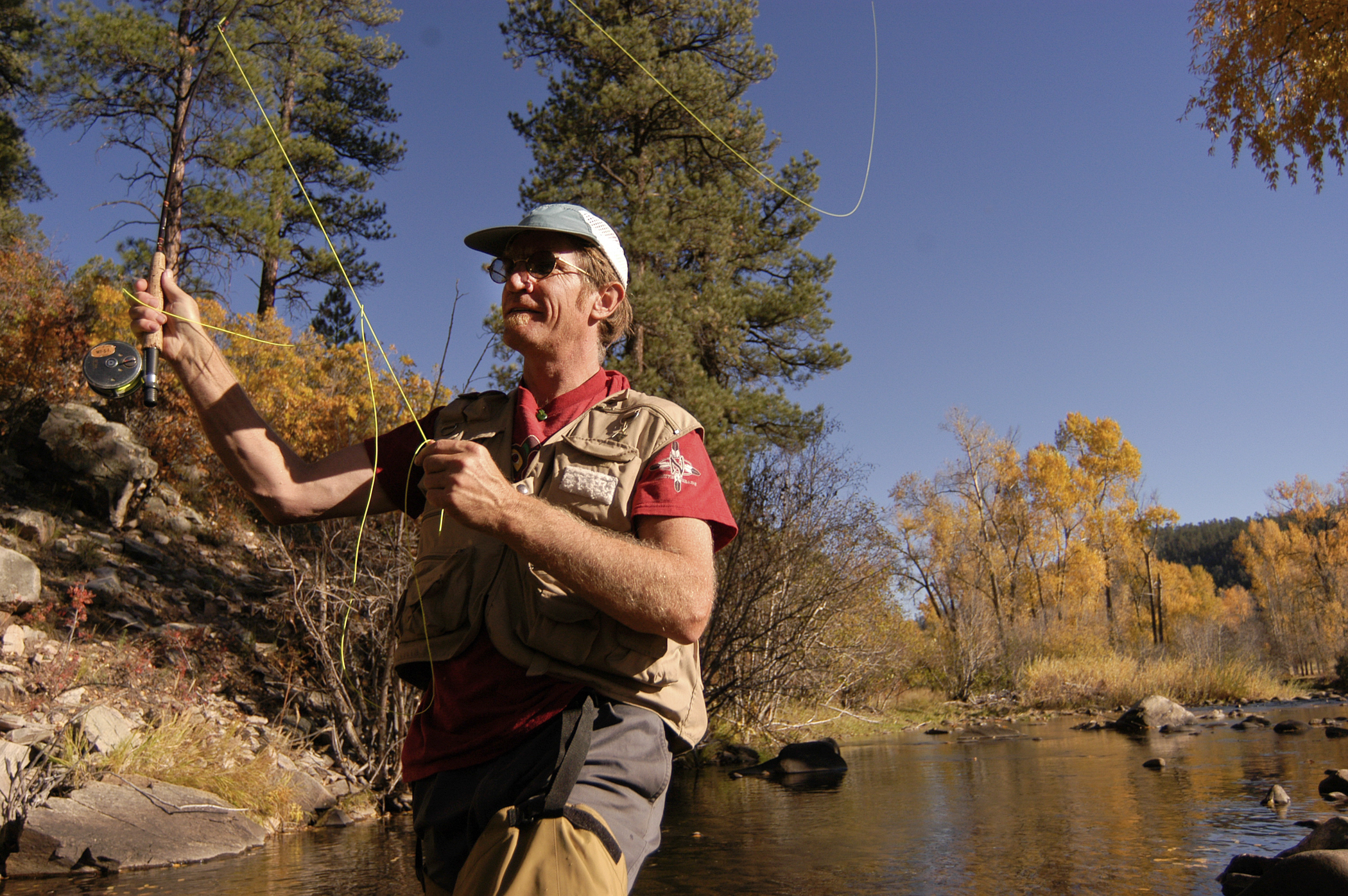
My introduction came on a much humbler plane. I recall my sisters and me being given a cane pole with a line fixed to the end, with a bent safety pin serving as a hook and impaling a salmon egg or two. This contraption actually produced a catch for my sister Brett in the modest stream, Cow Creek, that wandered through the valley floor. But that was her catch.
My first catch, I recall, came another day, when I was a bit older—maybe six or so—when David finally got sick of me beseeching him to let me tag along as he set out for a day on the creek.
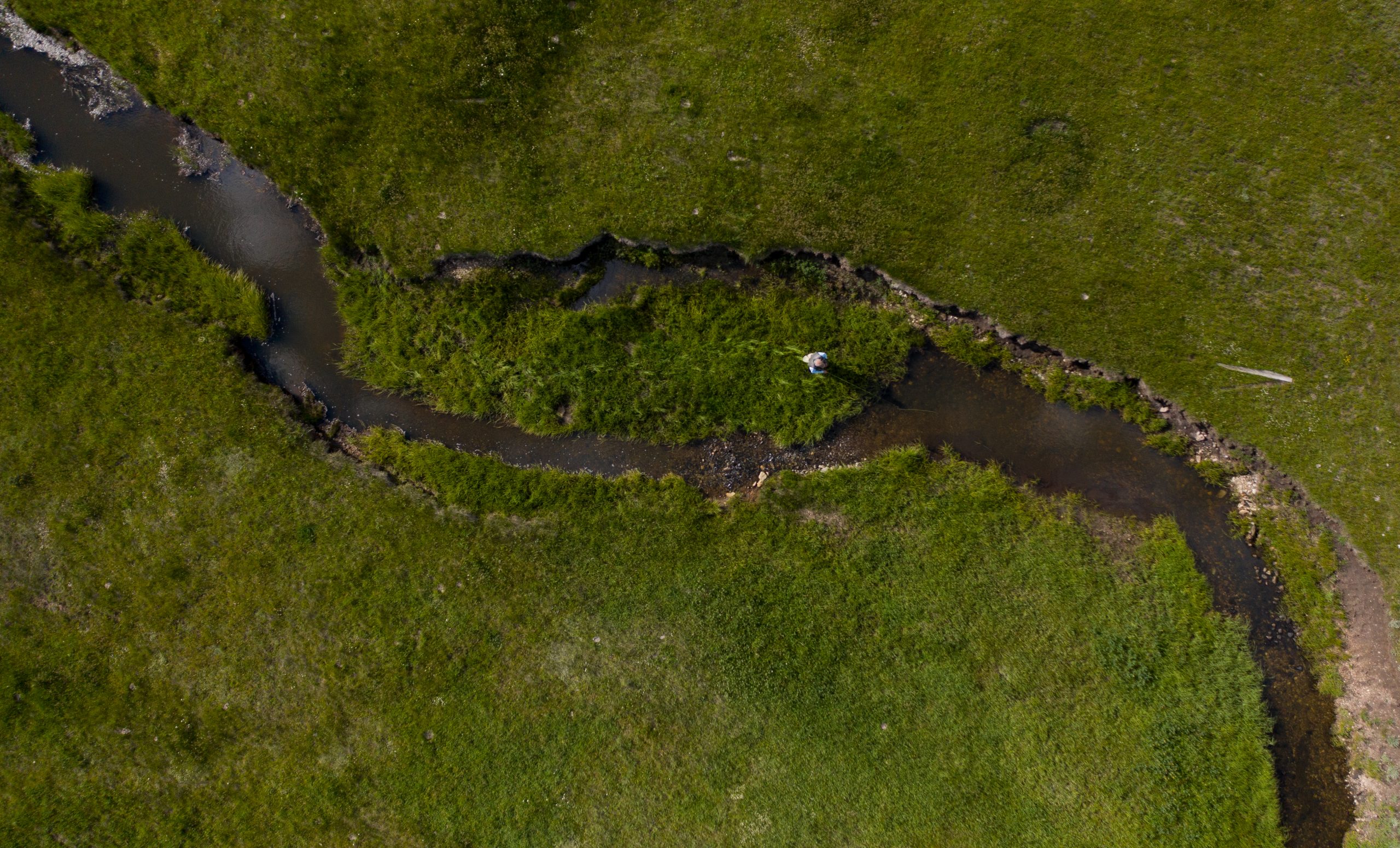
He showed me how to tie on a hook using the premade loop it came with, and how to add a bit of split shot to the line to help it sink. He showed me how to load up the hook with a worm or two, then patiently began to explain the esoteric subject of where trout like to hang out. He showed me undercut banks, deeper holes, rocks that would harbor a trout or two, root balls, and overhanging branch pileups. He then showed me how to pendulum the line and bait out over the water just upstream of these likely spots and let it float into the strike zone. He explained water clarity and the need not to let the fish see you—or even your shadow.
Somehow, enough of that sunk in, and there were enough hungry, and perhaps not too intelligent, trout that I soon felt that thump and jiggle, and I had a fish on the line. I triumphantly brought it back whole to the cabin to show Mom, my sisters, my younger brother, and anyone who’d pay attention to my magnificent catch. Then Mom instructed David to take me back down to the creek to gut and clean the fish. There he showed me where to insert the knife blade and how to cut cleanly through the belly to the throat, then snip the gill attachment point and remove everything in one smooth pull. He then pointed out the heart, and we cut open the stomach to see what the fish had been eating.
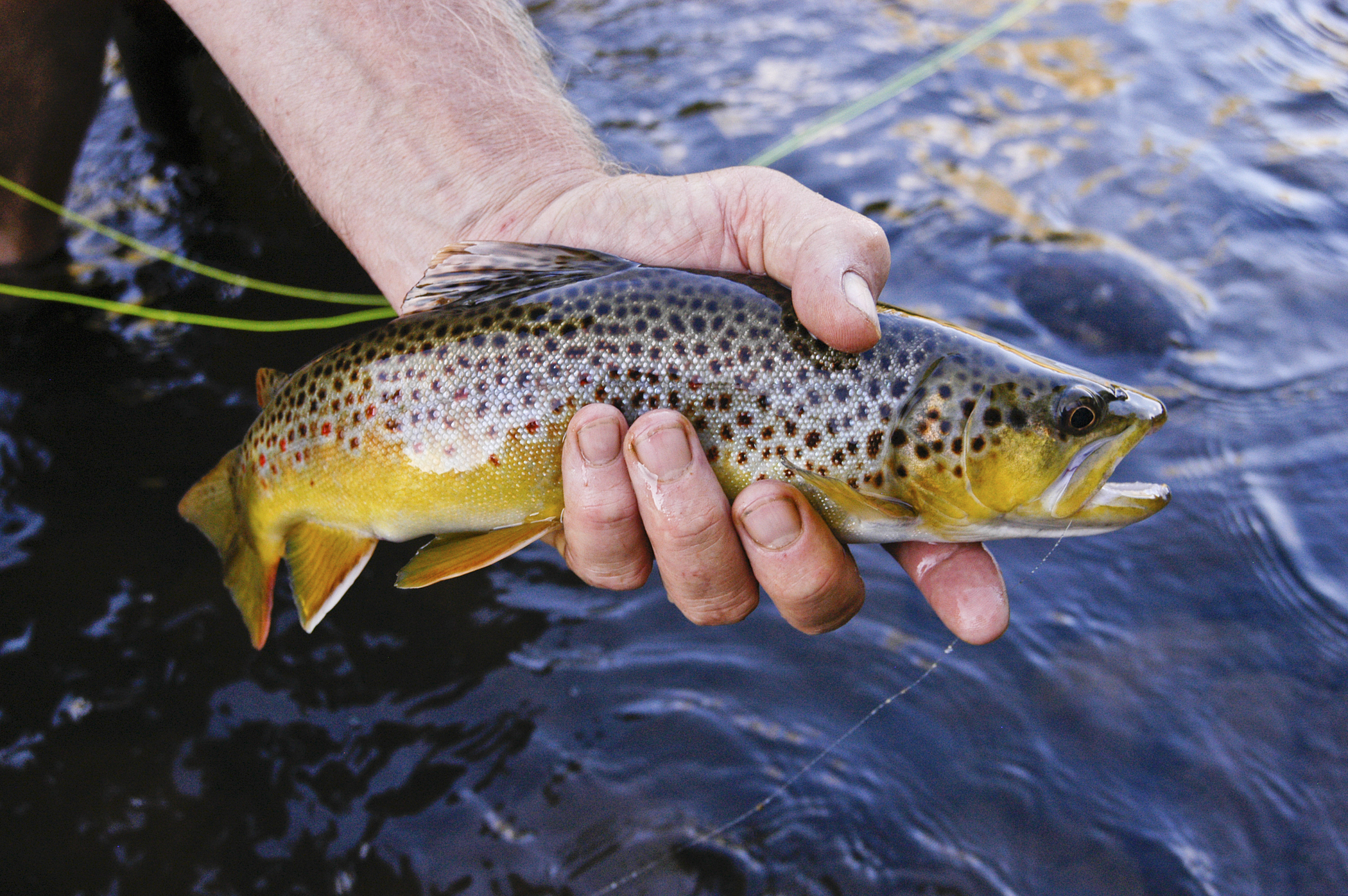
To this day, I always check the stomach contents of trout I elect to keep, as then and now we enjoy a nicely fried trout dipped in cornmeal and cooked in bacon fat, with an egg on the side. The breakfast of champions, Deg called it. Indeed.
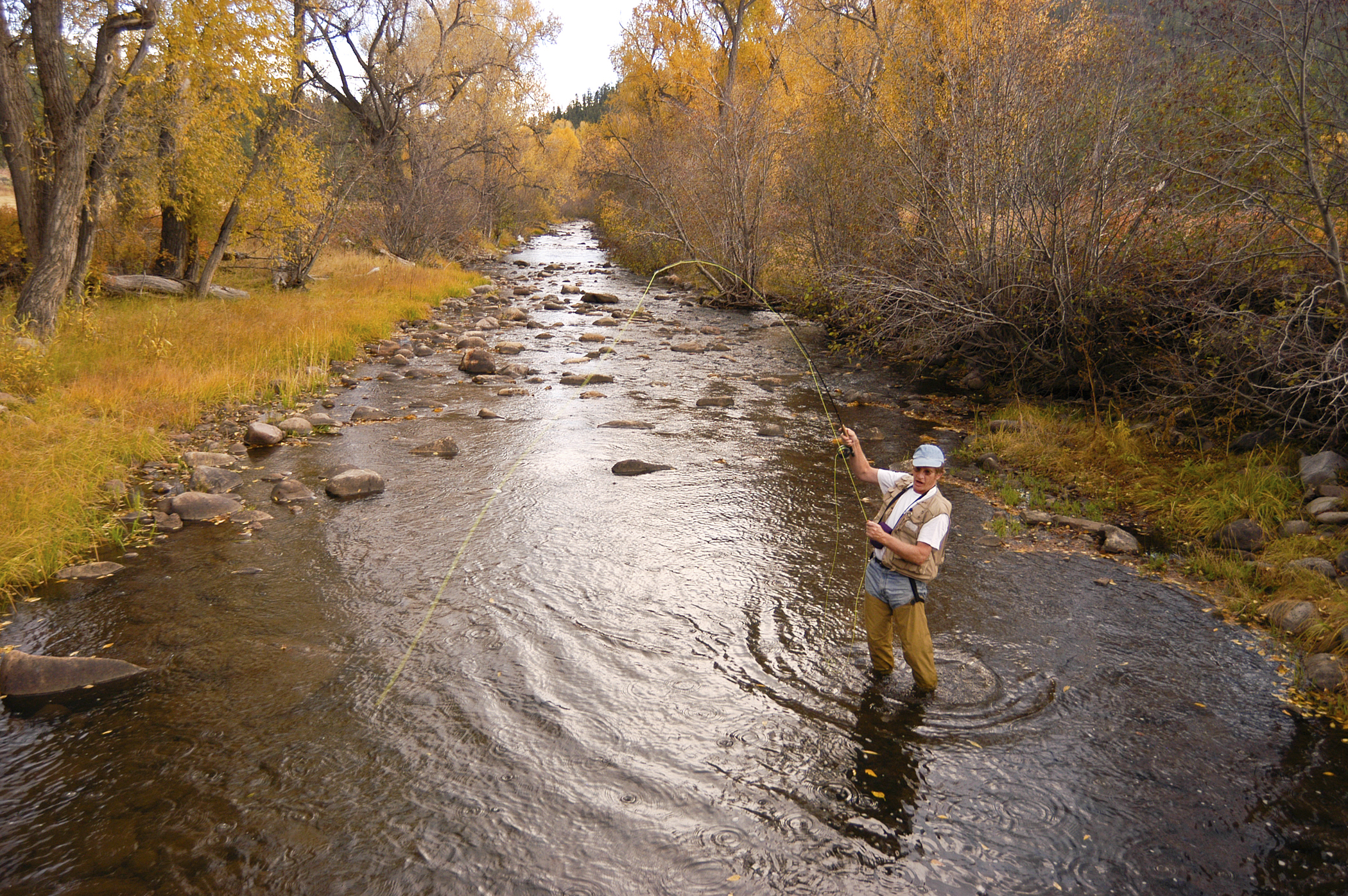
Now a long fishing line to the past has been snapped. But the waters, while sadly diminished, still flow on. Trout still take worms, and more to the point for me nowadays, a well-presented dry fly. And when I return to flowing waters, while never the same, I somehow stand in the waders of my grandfather, father, and older brother. My next fish I dedicate to the love and memory of my brother and instructor, David E. Gibson IV. May he find that golden water and Mr. Big in the meadow stream of the great beyond, alongside those who have gone ahead.