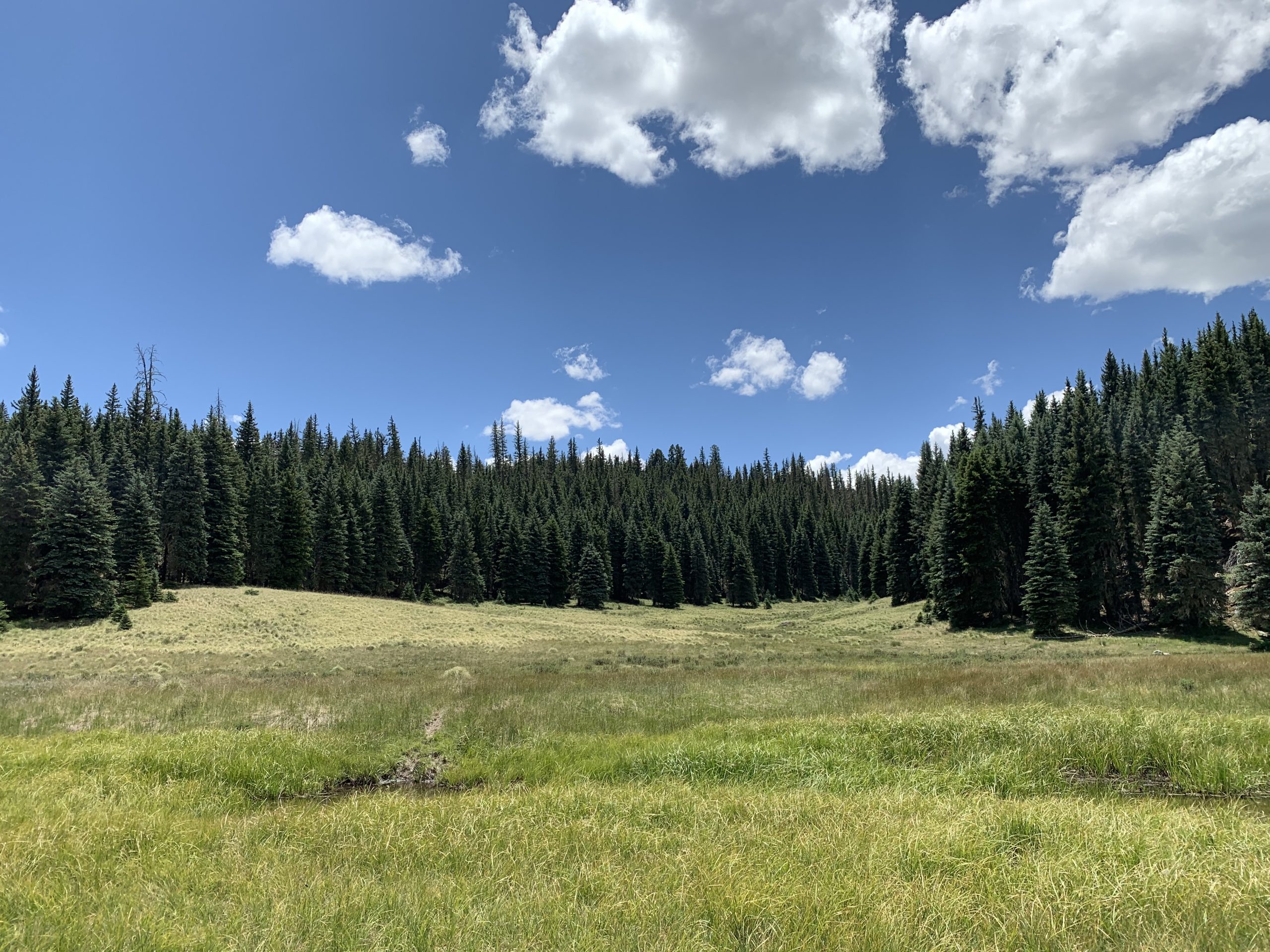
Valles Caldera National Preserve is one of New Mexico’s most unique and rewarding places to fish. With wide-open meadows, winding creeks, stunning mountain views, and wild trout water, it offers a memorable experience for anglers willing to plan ahead and fish thoughtfully.
Valles Caldera Basics
Located in northern New Mexico near Jemez Springs and Los Alamos, Valles Caldera National Preserve is a massive volcanic caldera roughly 13 to 14 miles wide. Managed by the National Park Service, the preserve is known for its scenic landscapes, wildlife viewing, hiking, and excellent fly fishing.
Entrance Fees
There is an entrance fee to visit the preserve. As noted in the guide, example 2025 fees include:
- About $25 per vehicle for 7 days
- About $15 per person
- About $20 per motorcycle
- A $45 annual pass
America the Beautiful passes are also accepted.
Access and Seasonal Travel
The preserve is open year-round, although hours and days may vary. Backcountry roads are generally drivable from May 15 through November 15, weather permitting.
Fishing in Valles Caldera
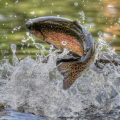
Fishing in the caldera is primarily a fly-fishing experience for trout, especially brown trout and other wild fish. Before you go, make sure you have the required licenses and understand the current access rules.
What You Need Before You Fish
1. New Mexico Fishing License and HMAV Stamp
Anyone fishing in the preserve needs a valid New Mexico fishing license and Habitat Management and Access Validation, or HMAV, stamp.
2. No Separate Special Fishing Permit
As of January 2025, Valles Caldera no longer requires a separate special fishing permit. A New Mexico fishing license with HMAV is sufficient.
3. Backcountry Vehicle Pass
If you plan to drive to deeper backcountry fishing areas such as San Antonio Creek, Rito de los Indios, or Jaramillo Creek, you will need a backcountry vehicle pass through Recreation.gov during the May 15 to November 15 season. These passes are limited daily. Anglers fishing waters accessed by foot, bike, or horse do not need a backcountry vehicle pass.
Fishing Rules and Etiquette
To help protect the fishery and preserve habitat, Valles Caldera has several important restrictions:
- Only artificial flies and lures with single, barbless hooks are allowed
- Live bait is prohibited
- The bag limit is two trout
- Waders and nets are prohibited
- Anglers should clean gear between waters to help protect native trout populations
Top Fishing Spots
East Fork of the Jemez River
This is one of the more accessible options, with fishing opportunities near the entrance road. Headwater access points off NM 4 near Valle Grande Overlook or the Cerro Grande Route offer more solitude, though recent fishing there has reportedly been less productive.
Jaramillo Creek
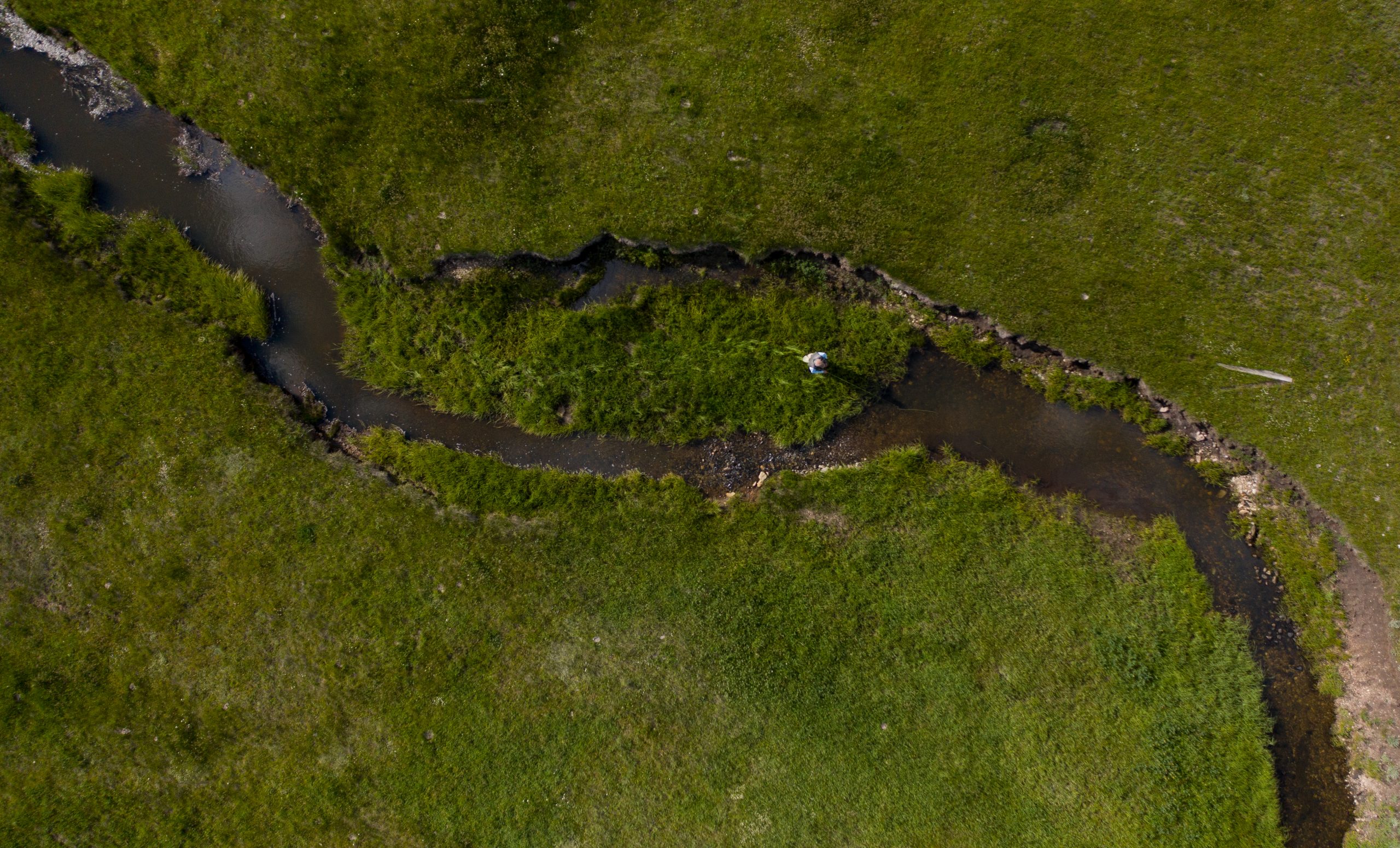
A small meadow stream with excellent brown trout fishing, Jaramillo Creek can produce surprisingly large fish along undercut banks. Spring is the best time to fish it. Later in the season, tall grasses can make access and visibility more difficult, though dapping can still be productive.
San Antonio Creek
Often considered the most productive and reliable brown trout water in the caldera, San Antonio Creek is worth the extra effort. It is about a 30-minute drive from the visitor center, but anglers are rewarded with miles of accessible fishing on the San Antonio and Los Indios.
Visiting Tips and Logistics
Getting There
Most visitors access the preserve from New Mexico State Route 4 between Los Alamos and Jemez Springs.
Best Time to Visit
Late spring through early fall is the most popular season for both fishing and driving the backcountry roads. Earlier in spring, streams and roads may still be muddy or snow-covered.
Other Activities
In addition to fishing, the preserve offers hiking, scenic drives, wildlife viewing, birding, and ranger-led programs.
Conservation Reminder
Valles Caldera is an ecologically sensitive landscape. Stay on designated roads and trails, follow preserve rules, and pack out all trash.
Quick Checklist Before You Go
Before heading out, make sure you have:
- A New Mexico fishing license and HMAV stamp
- A park entrance pass
- A backcountry vehicle permit if you plan to drive into remote areas
- Barbless artificial flies or lures only
- Clean gear ready for protected waters
Nick’s Tips for Fishing the Caldera
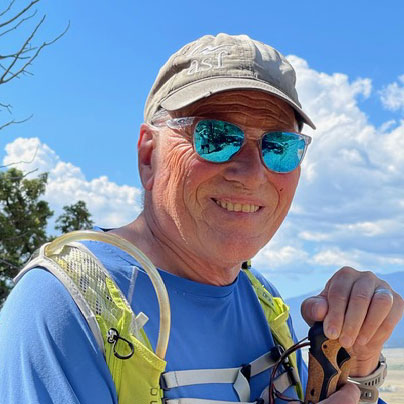
The fish are spooky so stealth is essential. Wear muted colors or camo.
Consider wearing high top, waterproof boots. You may be walking through wet, marshy areas to access the streams particularly in the early season.
I like to fish upstream, staying low and casting 10-20 feet upstream.
Fishing by “braille” is effective. Stay below the bank, toss your fly blindly over it, and set when you hear the splashy take.
The fish are not leader shy or selective. Use a 7 1/2 foot, 3X leader. This makes casting in high wind easier and results in fewer loss of flies in the ubiquitous tall streamside grass and shrubs which can make casting a nightmare.
I rarely use anything but terrestrials in these streams. Foam beetles, ants or hoppers are very effective. Other attractors like royal wulffs or stimulators will also work. I have never matched a hatch, turned over rocks or pumped a fish gullet to select a fly. On a rare occasion I have tied on a 1-2 foot dropper with a small copper john or prince nymph and landed fish. I try to avoid this however since you are increasing the likelihood of losing flies in the brush.
You will lose flies. Bring plenty. I leave my euro and Tenkara rod at home. The streams are too small and the fish too spooky to euronymph or indicator fish. I have used my Tenkara setup but the long rod makes you more visible and you are limited to short casts. It is really hard to dap with a 10-12 foot rod.
A 3-5 weight, 7.5-9 foot rod with a floating line and 7 1/2 foot 3X leader is perfect. I like to use my 3 weight glass rod in the VC. It is less likely to break dragging my flies out of the grass or when trudging through the shrubs and willows.
Practice casting in the wind! It never stops blowing in the caldera.
Nick Tsapatsaris, M.D.
Conservation Chair
Truchas Chapter, Trout Unlimited
339-223-1266
[email protected]