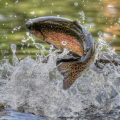
Trout are highly specialized fish adapted to cold, clean, well-oxygenated water. Their biology makes them excellent indicators of stream health across New Mexico.
Trout Diet
Trout are opportunistic feeders whose diets depend on season, stream size, and available food sources. Common prey includes:
- Aquatic insects (mayflies, caddisflies, stoneflies)
- Terrestrial insects
- Small fish and fry
- Aquatic invertebrates
Healthy insect populations signal clean water—making trout conservation inseparable from watershed protection.
Trout Anatomy
Key anatomical features help trout survive in fast-moving streams:
- Streamlined bodies for efficient swimming
- Adipose fin unique to salmonids
- Lateral line system to detect vibration
- Camouflage coloring for predator avoidance
Different species display unique coloration and markings adapted to their environment.
Trout Habitat Requirements
Trout require:
- Cold water temperatures
- High dissolved oxygen
- Clean gravel for spawning
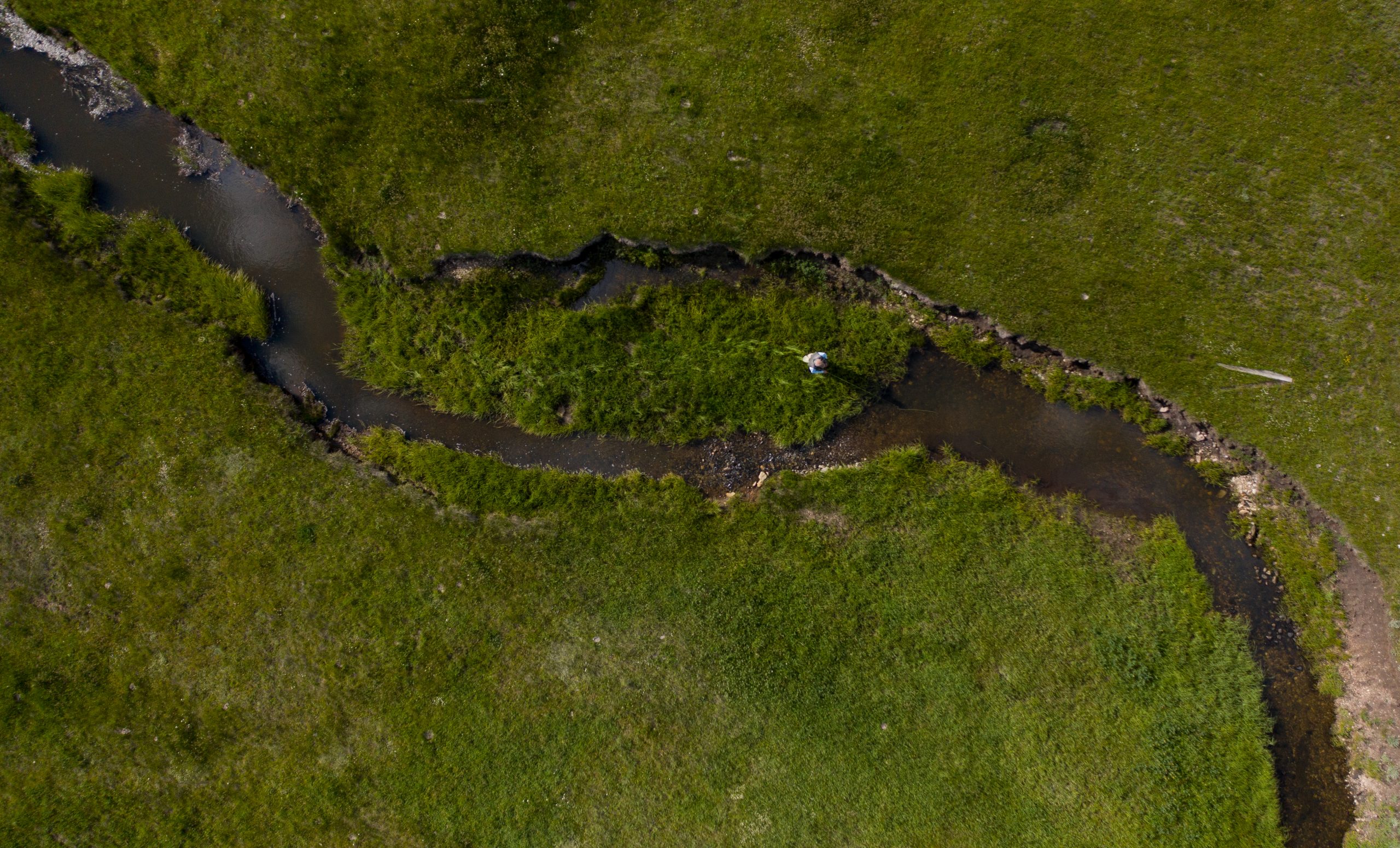
- Diverse stream structure (riffles, pools, cover)
Threats include warming water, sedimentation, drought, wildfire, and pollution.
Habitat Improvement and Restoration
Truchas Trout Unlimited supports habitat improvement projects that restore streambanks, improve fish passage, and protect cold-water refuges—benefiting both native trout and overall watershed health.
Education and Stewardship
Understanding trout biology is a cornerstone of Trout in the Classroom, where students raise trout while learning about water quality, life cycles, and conservation ethics.