Recently, a Truchas Chapter member shared Trout Unlimited’s State of the Trout report along with a thoughtful note about what it means to watch a lifetime of rivers change. He pointed out that the report appears to have been published in June 2015. Ecologically speaking, that is an eyeblink. In human terms, it is already more than a decade old.
The report has not been formally updated, and some data points are undoubtedly dated. But the core scientific findings — and the conservation challenges they describe — remain deeply relevant, especially here in New Mexico and the broader Southwest.
You can read the full report here:
https://www.tu.org/science/science-engagement/science-synthesis/state-of-the-trout/
A Snapshot from 2015 — and What It Still Tells Us
The State of the Trout report assessed the health of all 28 trout and char species and subspecies native to the United States. At the time of publication:
- Three native taxa were already extinct.
- Several were federally listed as threatened or endangered.
- More than half of those still extant occupied less than 25 percent of their historic range.
- The vast majority faced measurable threats to long-term survival.
Those figures may have shifted somewhat in the intervening years. The pressures driving them, however, have not disappeared. In many cases, they have intensified.
The Southwest: Fragmented and Warming
For those of us in New Mexico, the report’s findings on the Southwest deserve particular attention.
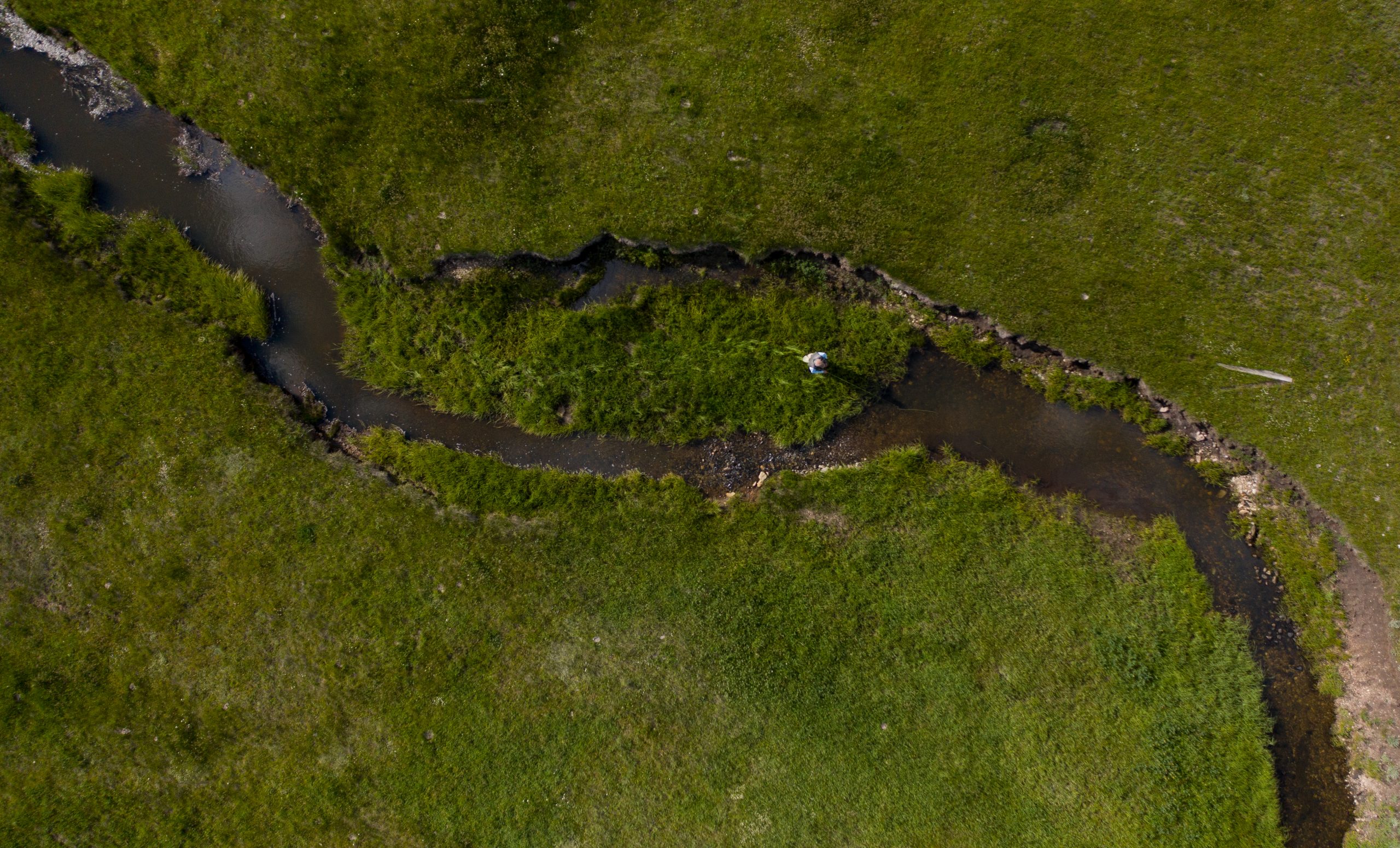
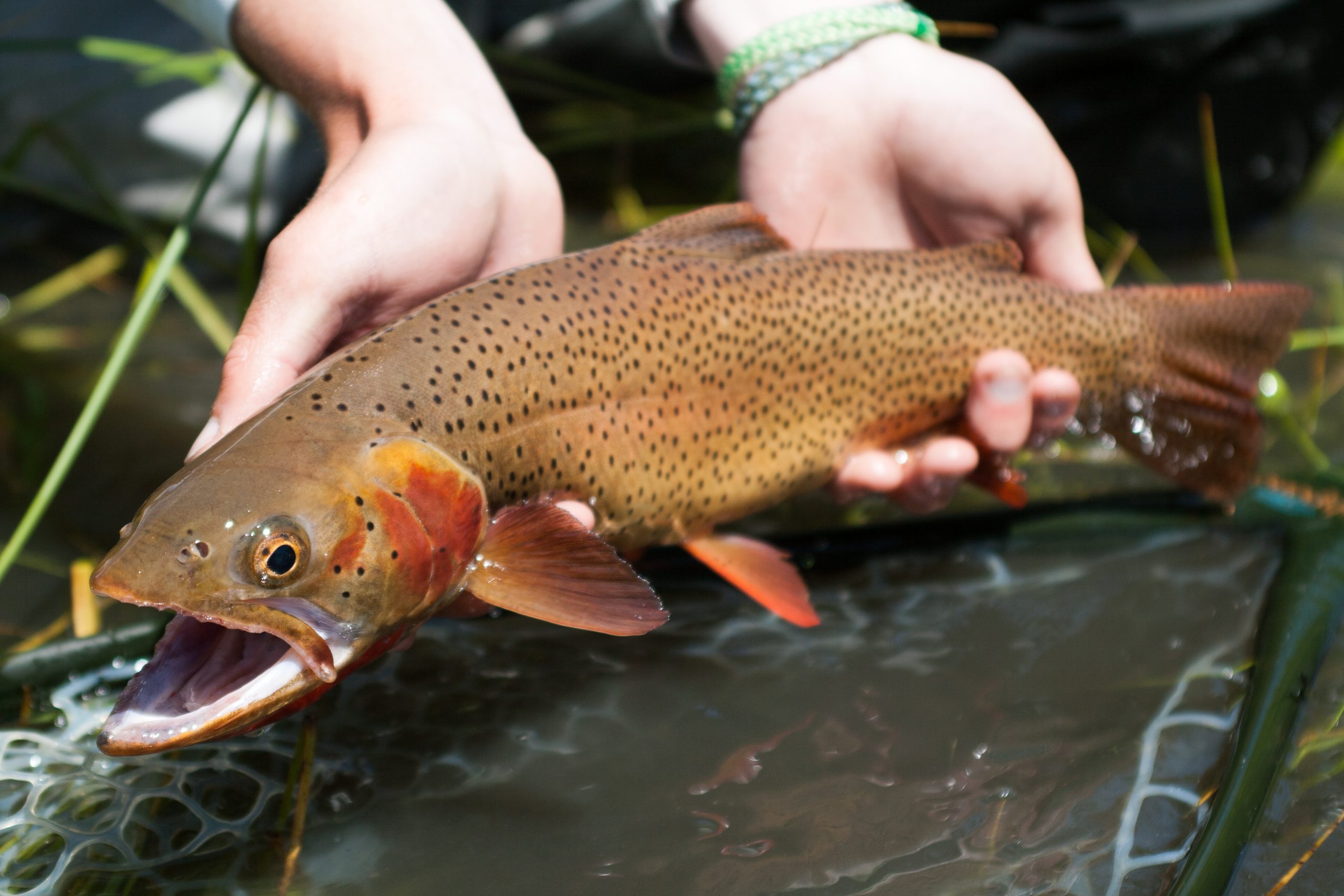
Native trout such as Rio Grande cutthroat trout and Gila trout once occupied broad, interconnected river systems. Today, they persist primarily in isolated headwater streams. This contraction reflects several interacting forces:
Climate and Drought
The Southwest has warmed significantly over the past decade. Reduced snowpack, earlier runoff, and prolonged drought shrink and warm streams, compressing the coldwater habitat trout require.
Fragmentation
Road crossings, diversions, and legacy infrastructure divide rivers into disconnected segments. While isolation can sometimes protect native fish from non-native species, it also reduces genetic resilience.
Non-Native Species
Introduced trout compete with and hybridize with native cutthroat. Hybridization erodes genetic integrity, a subtle but serious conservation issue.
Wildfire and Post-Fire Impacts
High-severity wildfire followed by intense rainfall can send debris and sediment into small headwater systems, eliminating entire local populations in a single event.
These forces were already well established in 2015. Since then, drought severity, megafires, and water demand have only underscored the vulnerability of Southwestern coldwater ecosystems.
Why Share an Older Report?
The member who forwarded the report reflected on a lifetime of fishing — from days when drinking directly from a stream seemed unremarkable to an era of portable filtration systems and degraded watersheds. His larger point is difficult to dismiss: we cannot address what we do not clearly understand.
Even if some statistics are dated, the scientific framework remains sound. Native trout are biological indicators. They require cold, clean, connected water. When their range contracts, watersheds are signaling stress.
The report offers a clear baseline narrative:
- Habitat loss is cumulative.
- Climate change amplifies existing stressors.
- Fragmentation reshapes ecological resilience.
- Conservation requires intentional, science-based restoration.
These principles remain central to trout conservation in 2026.
Read the full State of the Trout report here:
https://www.tu.org/science/science-engagement/science-synthesis/state-of-the-trout/