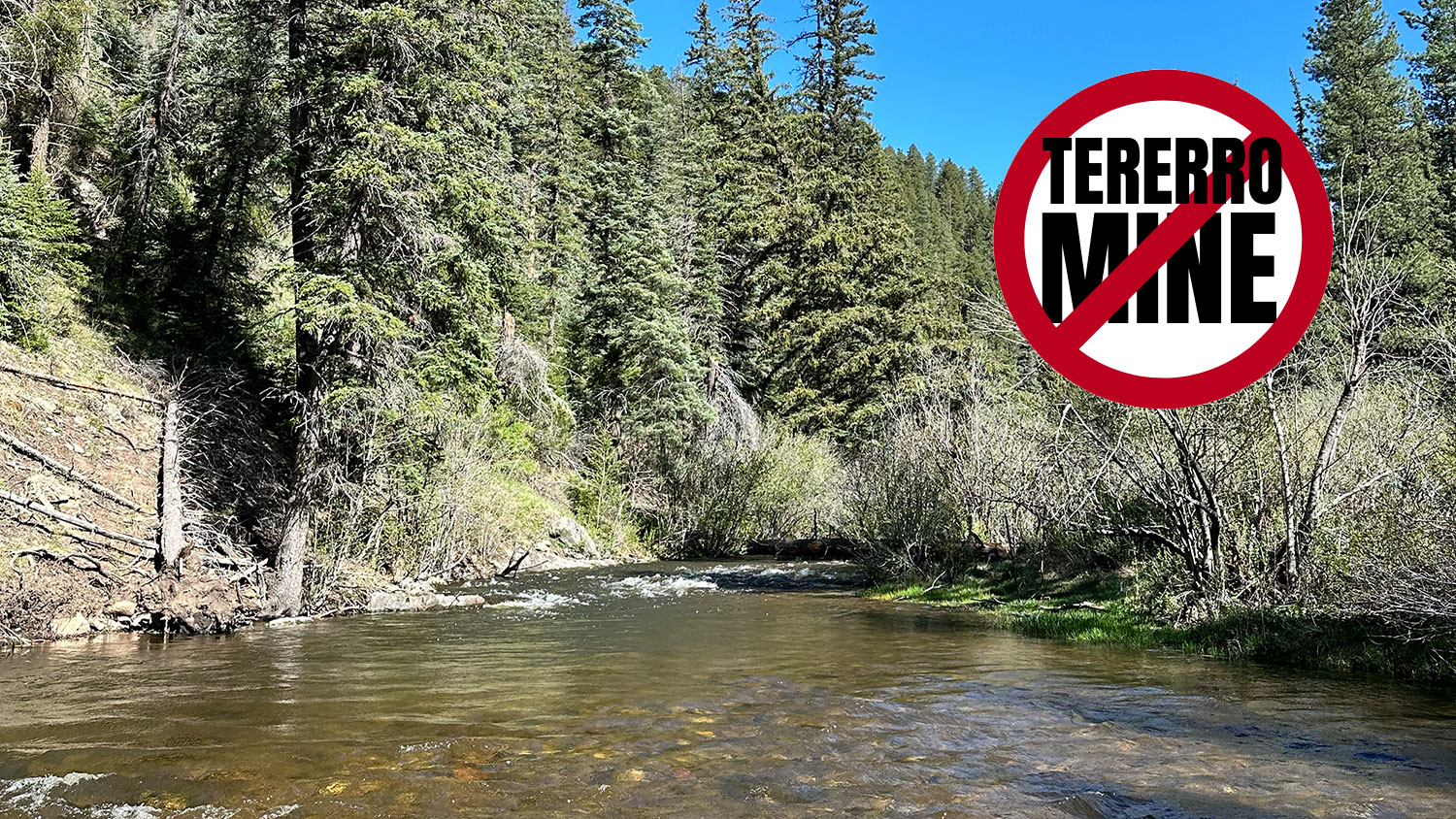
The proposed Tererro mine poses serious risks to the Upper Pecos Watershed, one of northern New Mexico’s most important and fragile river systems. This watershed is home water for the Truchas Chapter of Trout Unlimited, and its health is essential to cold-water fisheries, acequias, drinking water supplies, and downstream communities.
We do not want a repeat of the disastrous legacy left by the original Tererro mine, which contaminated waterways and required costly cleanup efforts that continue to affect the region today.
If you’re looking for effective ways to oppose the current mine proposal, there are legitimate and impactful paths forward. Below is a practical, step-by-step guide for how individuals and communities can engage meaningfully in the process.
Start by Supporting Local Conservation Organizations
One of the easiest and most effective ways to get involved is to support organizations already opposing the Tererro mine, including:
- Truchas Chapter of Trout Unlimited
- Upper Pecos Watershed Association
These groups are actively tracking developments, submitting formal comments, and advocating for the protection of the Pecos River. Following them on social media and supporting their work helps amplify collective impact.
1. Engage the Permitting and Environmental Review Process
(Highest Impact)
Most mining projects ultimately succeed or fail based on permits and environmental compliance.
Key agencies involved include:
- U.S. Forest Service (Santa Fe National Forest)
- New Mexico Environment Department (NMED)
- Water Quality Control Commission
- Ground Water Quality Bureau
- U.S. Army Corps of Engineers (if wetlands or streams are affected)
What you can do:
- Submit formal public comments during the NEPA process (Environmental Assessments or Environmental Impact Statements).
- Focus on specific, evidence-based concerns, such as:
- Acid mine drainage risks in a headwaters system
- Heavy metals (arsenic, lead, zinc) entering the Pecos River
- Cumulative impacts from historic mining in the watershed
- Threats to downstream acequias, drinking water, and fisheries
Tip: Comments grounded in science, hydrology, and documented mine failures carry far more weight than general expressions of opposition.
2. Invoke Clean Water Act Protections
The Pecos River is protected under state and federal water law, and these protections matter.
Key actions include:
- Demanding an anti-degradation analysis under New Mexico water quality standards.
- Questioning whether the project violates:
- Clean Water Act §401 (state water quality certification)
- Clean Water Act §404 (dredge and fill permits)
The burden is on the company to prove that no discharge will degrade designated uses, including coldwater aquatic life, irrigation, and recreation. If water quality certification is denied, the project cannot proceed.
3. Organize Locally in Pecos, Santa Fe, and San Miguel County
Local governments can play a powerful role—even when state or federal permits are involved.
Ways to engage:
- Attend county commission and village council meetings
- Request formal resolutions opposing the mine
- Ask local officials to require:
- Emergency response plans
- Adequate financial assurance and bonding
- Independent water monitoring funded by the mining company
Local pressure often influences state agencies more effectively than individual comments alone.
4. Partner With Organizations Already in the Fight
You don’t have to start from scratch. Many organizations have experience navigating these exact processes, including:
- New Mexico Wild
- Truchas Chapter of Trout Unlimited
- WildEarth Guardians
- Rio Grande Chapter Sierra Club
- Local acequia associations and land grant communities
These groups track permits, submit legal comments, and—when necessary—pursue litigation. Most importantly, they help amplify community voices.
5. Pressure Elected Officials
(State-Level Engagement Matters Most)
Focus your outreach on:
- New Mexico State Land Office
- State legislators representing the Pecos and Santa Fe area
- Governor’s Office
Effective messaging emphasizes:
- Drinking water risk
- Taxpayer liability from mine cleanup
- Conflict with New Mexico’s outdoor recreation economy
Personal, concise letters and meeting requests (virtual or in-person) are especially effective.
6. Build a Public Record and Media Awareness
Mining proposals often rely on obscurity to advance quietly.
Ways to raise visibility:
- Write op-eds or letters to the editor for:
- Santa Fe New Mexican
- Las Vegas Optic
- Share photos, maps, and examples of historic mine damage
- Tell personal stories about fishing, irrigation, cultural use, or stewardship of the Pecos River
Public scrutiny raises the political and regulatory cost of approval.
Protecting the Pecos Is a Shared Responsibility
The Upper Pecos Watershed is a rare and irreplaceable resource. Protecting it requires informed, sustained engagement—but individuals working together can make a difference.
The Truchas Chapter of Trout Unlimited remains committed to preserving the pristine nature of the Pecos River and ensuring that its waters remain clean, cold, and fishable for generations to come.