There’s something about the stretch of days between Christmas and New Year’s that feels made for a last minute fishing adventure. Maybe it’s the quiet pause before the calendar turns, or maybe it’s simply tradition doing what it does best. For the fifth year in a row, we pointed the truck northwest and made the long drive to Navajo Dam, intent on closing out the year with cold hands, hot coffee, and a few good trout.
The drive is always part of it. Heading up Highway 550, the scenery opens up—wide desert, mesas dusted with snow, winter light stretching across the landscape. Even after all these years, it never feels routine. The miles pass easily when you know what’s waiting at the end: cold water slipping out from the base of the dam, big fish, and a few days where the only real decision is which fly to tie on next. We came home via 84/285 for old time’s sake, giving ourselves a little extra time to let the trip settle in.
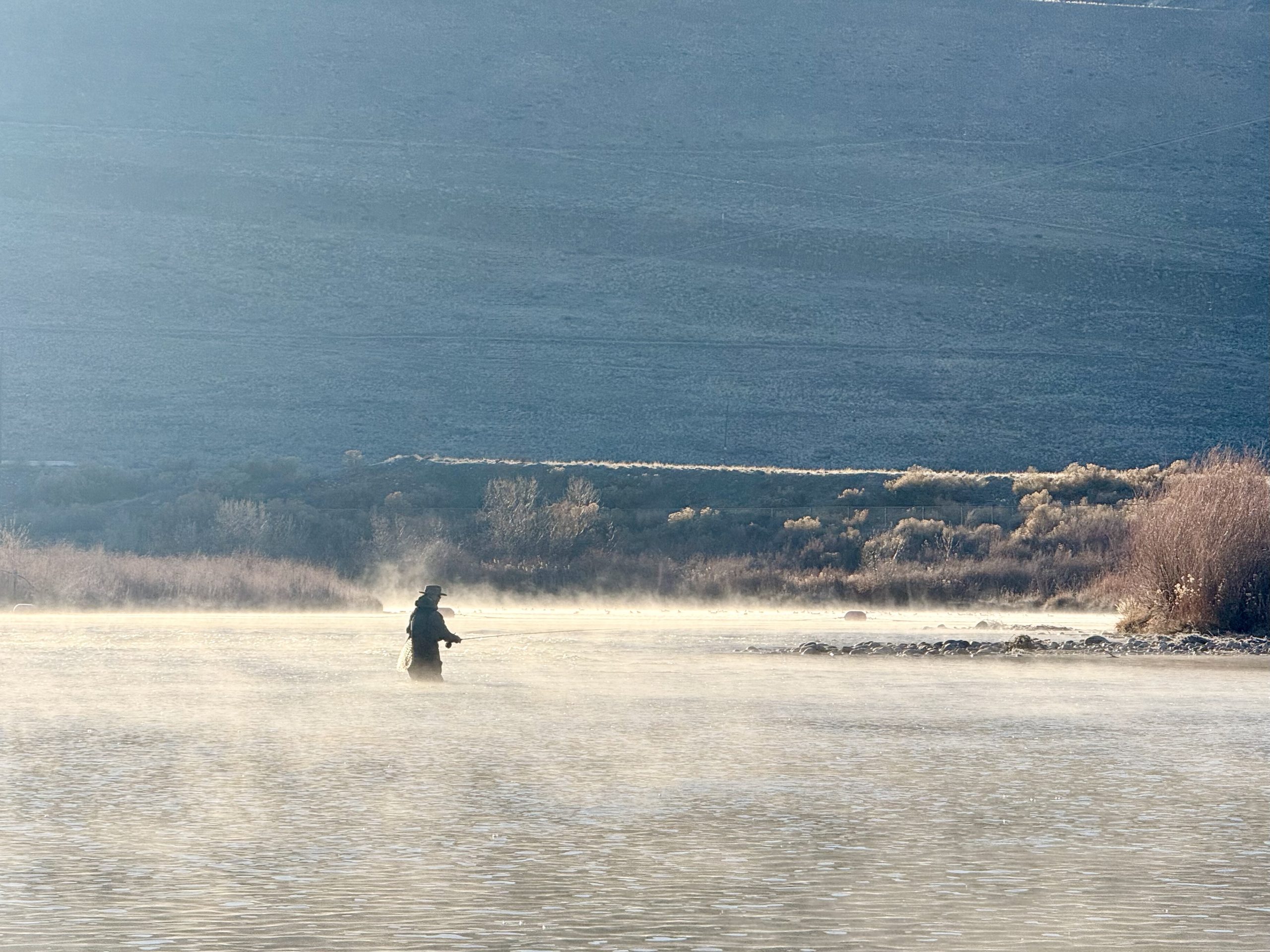
Late December on the San Juan isn’t for the faint of heart. Mornings were brutally cold, the kind where guides ice up almost instantly and every knot takes twice as long to tie. One night I forgot to pull my gear out of the truck and woke up to boots and waders frozen stiff—thawed only by standing in the river itself. Still, the payoff was clear skies and bright New Mexico sun. Once the day got going, it was easy to forget about numb fingers and frozen toes.
Conditions weren’t perfect. The water was noticeably turbid, muting the river’s usual clarity and emerald glow. Fishing was slow at times, especially in the afternoons, but it was the good kind of slow—the kind that keeps you paying attention, hunting. You had to earn every fish, and when things finally lined up, it felt deserved.
We weren’t alone. The river was crowded from Texas Hole up toward the spillway, a steady mix of drift boats and waders all working the same idea: squeeze in a few days on the San Juan before the year slipped away. Even so, the river absorbed the pressure better than expected. A little courtesy, patience, and flexibility went a long way.
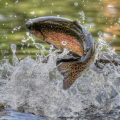
The fish made it worth it. Several rainbows pushed past 20 inches—thick, healthy fish with deep bellies and strong shoulders. Bunny leeches produced some of the bigger eats, especially when swung or slowly stripped through deeper water. When that bite faded, getting down mattered. Perdigons cut through the current, and zebra midges—various colors, nothing fancy—did what they’ve always done on this river.
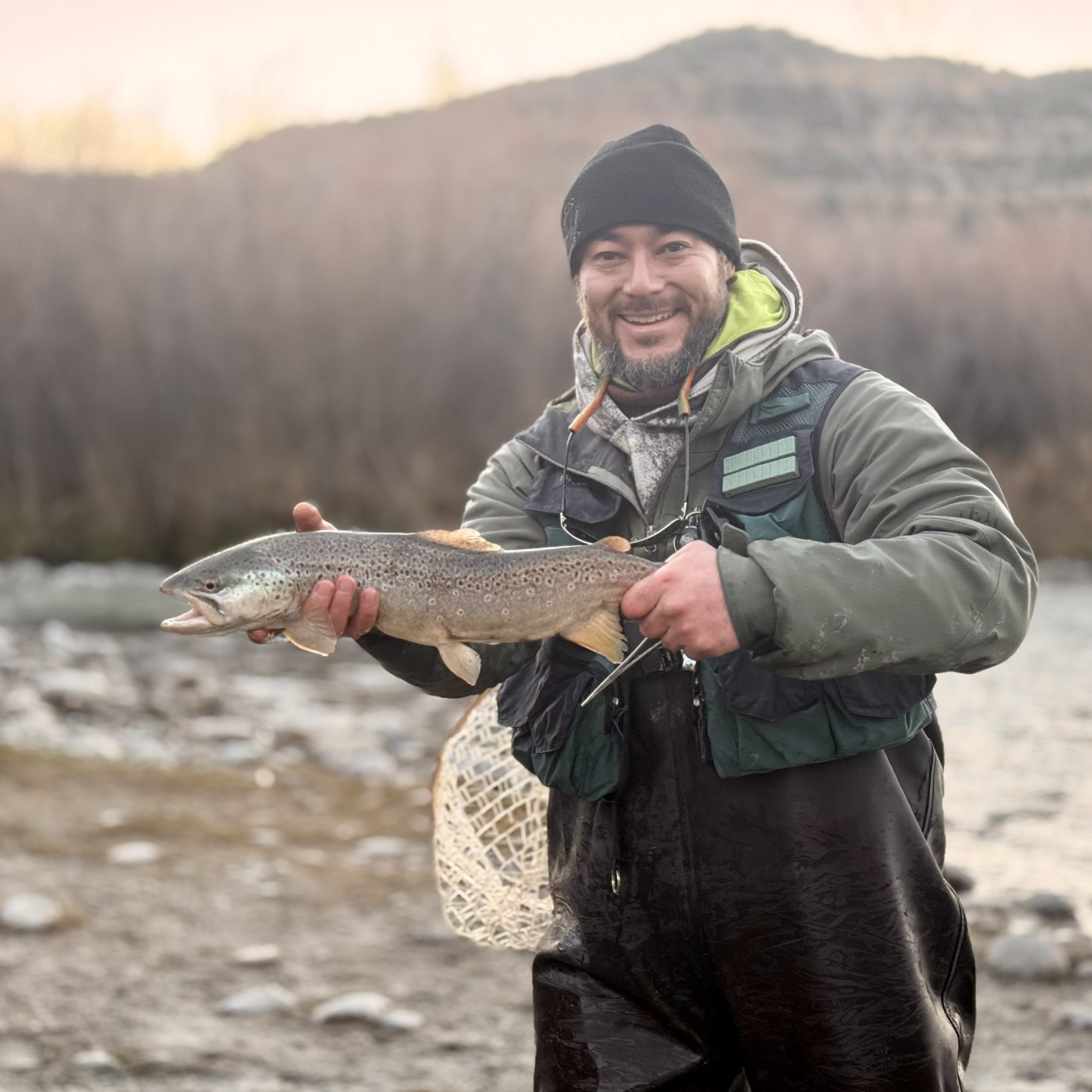
One fish stood out. A single, large, healthy brown trout, lighter in color and not as thick as the rainbows, but a complete surprise. It wasn’t the fish we were expecting, which made it all the better. A small gift from the river, and one I won’t forget anytime soon, especially since it was the last fish of the trip.
As if the weekend needed anything else, we also watched paragliders drifting along the canyon walls near Texas Hole, touching down near the parking lot. This was something we had never seen before. It felt strange and perfect at the same time—a reminder that this place draws people for all kinds of reasons.
By December 30, we were tired in the best way. Sunburned despite the cold, hands rough from leader changes, and spirits lifted by a handful of memorable fish. Trips like this have become markers in time—a way to reflect on the year behind us and step into the next one with a little optimism.
Even though we don’t do conservation work on the San Juan, fishing a river like this is always a reminder of why it matters. Healthy flows, cold clean water, thoughtful management, and anglers who care all play a role. Those values travel with us wherever we fish.
No matter the crowds or the conditions, the San Juan always delivers something worth remembering. As long as the tradition holds, we’ll keep making the drive, chasing trout, and welcoming the new year one cast at a time.
Tight lines.